15 Sep

The Zen of Home: How Mindful Design Cultivates Everyday Calm
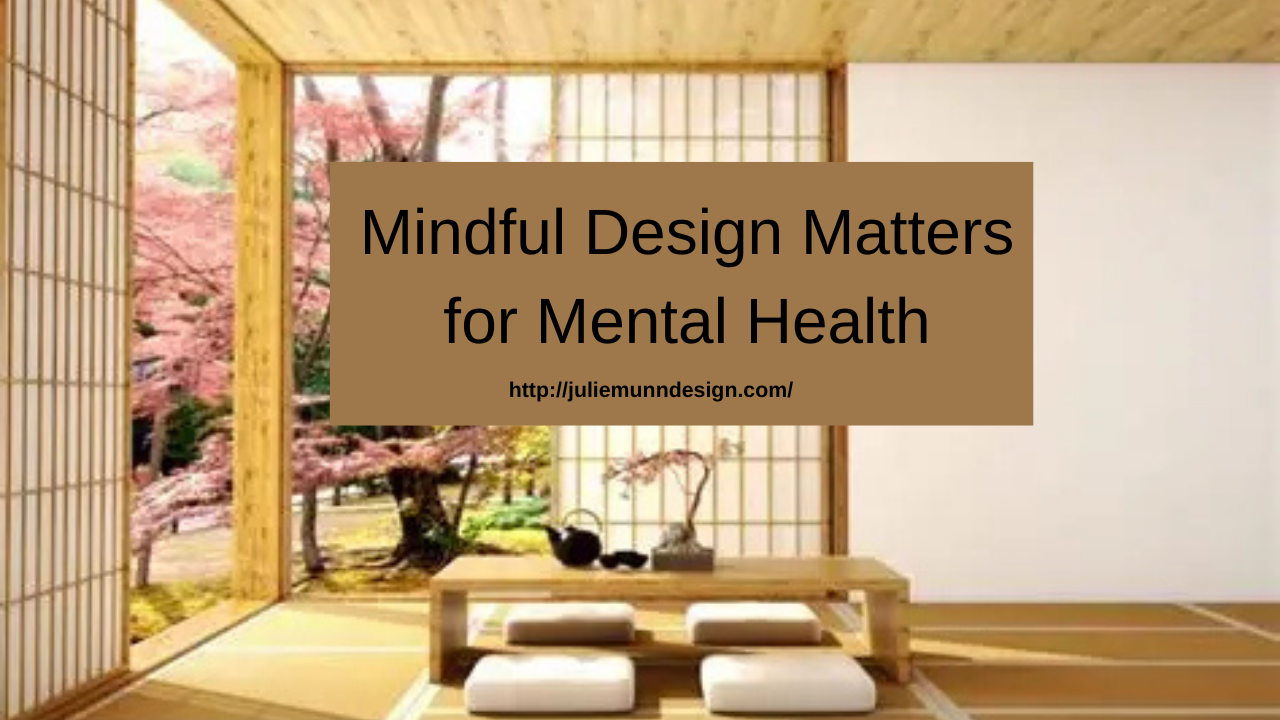
Finding peace in today’s fast-paced world can feel impossible, especially for those navigating the challenges of addiction recovery or mental health struggles. Yet the spaces we live in have a powerful influence on our emotional balance and overall well-being. The concept of mindful design goes beyond decorating. It is about creating environments that reduce stress, nurture the spirit, and support the healing journey. At Julie Munn Design, we believe a thoughtfully designed home can become a sanctuary that cultivates calm and strengthens resilience every day.


Why Mindful Design Matters for Mental Health

Recovery is not only about what happens in therapy sessions or treatment programs. It extends into daily life, shaping how individuals rest, recharge, and stay grounded. A chaotic or cluttered home can fuel anxiety and restlessness, while a calm, intentional environment encourages focus, self-care, and emotional stability. Mindful design ensures that the home becomes a partner in healing, not a barrier.


Key Elements of Mindful Home Design

Decluttering for Clarity

A cluttered space often mirrors a cluttered mind. By reducing excess belongings and organizing essentials, you create a sense of order that supports emotional clarity. Decluttering allows space for peace to enter, making recovery practices such as meditation, prayer, or journaling easier to maintain.

Colors That Calm the Spirit

Color psychology plays a vital role in emotional well-being. Soft hues like pale blue, sage green, and warm neutrals promote relaxation and calm. These tones are particularly helpful in spaces meant for rest or reflection. Choosing a color palette with intention helps set the emotional tone of your home and encourages tranquility throughout the day.

Lighting That Nurtures Balance

Light influences mood more than most realize. Natural light boosts energy and supports healthy sleep cycles, while warm ambient lighting fosters relaxation during evening hours. Thoughtful lighting design helps regulate daily rhythms, creating an environment where balance and calm naturally emerge.

Spaces with Purpose

Mindful design encourages creating spaces that support healing rituals. Whether it is a quiet corner for prayer, a meditation cushion near a window, or a journal-friendly desk, purposeful areas encourage daily practices that strengthen mental wellness. Even small spaces can become meaningful sanctuaries with thoughtful design choices.


Integrating Faith and Holistic Healing

At Julie Munn Design, we recognize the role of faith in the healing process. Homes designed with spiritual reminders, scripture art, or natural materials inspired by creation can provide daily encouragement. Combined with holistic principles like biophilic design, soothing textures, and calming scents, the home becomes a holistic wellness tool that nurtures mind, body, and soul. This integration reflects the faith-based and individualized approach we bring to addiction recovery and mental health care.


Practical Steps to Bring Zen Into Your Home

  • Begin by simplifying and removing items that no longer serve your peace.
  • Introduce natural elements such as plants, wood, or stone for grounding.
  • Choose a color scheme that encourages calm and consistency across rooms.
  • Create one dedicated area for mindfulness, prayer, or reflection.
  • Use soft lighting and calming scents to signal moments of rest and renewal.

These intentional choices help transform the home from a place of stress into a sanctuary of stillness.


Designing Calm, Living Peace

The journey from stress to stillness begins with small, mindful decisions about your living space. Thoughtful design is not about luxury or perfection. It is about creating an environment that supports your healing and invites peace into your everyday life. At Julie Munn Design, we help individuals and families craft homes that reflect hope, balance, and strength.

If you are ready to transform your home into a haven that nurtures your recovery and emotional well-being, we invite you to reach out. Together, we can design a space where calm is not just an idea but a daily reality.
3 Sep

From Stress to Stillness: How Thoughtful Decor Boosts Emotional Balance

The spaces we live in do more than house us. They shape our moods, influence our routines, and play a significant role in how we heal. For individuals walking the path of addiction recovery or managing mental health challenges, the home environment can either contribute to stress or support stillness. At Julie Munn Design, we believe thoughtful decor is more than aesthetics. It is a tool for emotional balance, spiritual renewal, and holistic healing.

Why Interior Design Matters for Recovery

Addiction recovery and mental health treatment involve more than clinical care. They require safe, supportive spaces where individuals can reset and rebuild. A cluttered or chaotic home may trigger anxiety, while a calm and intentional environment fosters peace and resilience. Just as inpatient and outpatient programs provide structure, home design can extend those same principles into daily life, reinforcing healing long after treatment sessions end.

Core Elements of Thoughtful Decor

Decluttering to Create Mental Clarity

Excess belongings often mirror emotional weight. When spaces are disorganized, the mind feels scattered. Thoughtful decor begins with simplifying. Remove unnecessary items, organize essentials, and prioritize open space. Decluttered environments help reduce anxiety and promote focus, supporting the mental clarity so vital in recovery.

Choosing Colors That Calm

Colors influence how we feel on a subconscious level. Soft greens promote renewal, blues foster tranquility, and neutrals create a sense of grounding. Rooms painted or decorated in these tones encourage reflection and calm. Avoid overly intense colors in areas designed for rest or prayer, as they may stimulate rather than soothe.

Light That Heals

Lighting sets the tone for emotional balance. Natural light regulates circadian rhythms and boosts mood, while warm lamps or candles create comfort during evening hours. Thoughtful use of light, both natural and artificial, helps align daily rhythms with recovery goals, supporting both body and mind.

Spaces with Purpose

Creating designated areas for prayer, journaling, or meditation helps establish healing rituals. A quiet reading nook, a comfortable chair for reflection, or a small corner dedicated to gratitude can encourage stillness. Purposeful spaces anchor routines, making it easier to practice mindfulness and spiritual growth each day.

Integrating Faith-Based and Holistic Principles

Faith and holistic care go hand in hand with emotional balance. Thoughtful decor can include scripture artwork, inspirational symbols, or natural materials that reflect God’s creation. By combining spiritual reminders with holistic design elements like plants, textures, and soothing scents, homes become sanctuaries that nurture both soul and body. This alignment mirrors the individualized, faith-based approach found in Julie Munn Design’s recovery philosophy.

Practical Tips to Transform Stress into Stillness

  • Keep main living areas clutter-free to encourage focus and calm.
  • Introduce natural elements like plants, wood, or stone for grounding.
  • Use layered lighting for flexibility between active and restful times.
  • Place calming scents like lavender or chamomile in bedrooms or prayer spaces.
  • Display personal items or artwork that inspire hope and gratitude.

These simple changes carry profound effects on mental well-being. They transform stress-inducing spaces into calming retreats that actively support recovery.


Designing Your Path to Peace

Moving from stress to stillness is not an overnight process. It is a series of intentional choices that align with your recovery journey. Thoughtful decor offers more than visual beauty. It provides stability, comfort, and emotional balance when you need it most. At Julie Munn Design, we honor each client’s unique story and help create homes that reflect healing and hope.

If you are ready to transform your space into a sanctuary that supports your recovery, reach out today. Together, we can design an environment that fosters peace, nurtures your spirit, and strengthens your path forward.

26 Aug

Calm by Design: Interior Decorating Strategies for a Peaceful Mind

Our homes are more than living spaces—they are environments that shape how we think, feel, and recover. For individuals on the journey of addiction recovery or facing mental health challenges, the atmosphere of a home can either support wellness or contribute to stress. At Julie Munn Design, we understand that thoughtful interior decorating is a powerful tool for emotional balance. Through holistic, faith-based, and individualized approaches, a carefully designed home can foster calm, focus, and peace of mind.

Why Your Home Impacts Mental Health

Recovery is a holistic process that extends beyond therapy sessions. Studies show that the spaces we inhabit influence our stress levels, mood, and ability to maintain healthy routines. A cluttered or chaotic environment can increase anxiety and disrupt emotional stability. Conversely, a space that reflects order, warmth, and intentionality promotes clarity and serenity. By integrating design strategies aligned with mental wellness principles, your home becomes a supportive partner in recovery.

Principles of Calm Interior Design

Clear Clutter, Create Clarity

Clutter can overwhelm the senses and increase mental fatigue. Begin by simplifying your environment. Remove items that no longer serve a purpose or bring joy. Use hidden storage, minimalist furniture, and organized layouts to create open pathways. A home free from unnecessary clutter allows your mind to relax and focus on what truly matters.

Light and Nature: Healing Elements

Natural light and biophilic elements play a vital role in emotional well-being. Keep windows clear to maximize sunlight and consider sheer curtains to diffuse harsh light. Introduce indoor plants to bring life, color, and improved air quality into your home. Wood, stone, and natural fabrics create warmth and a grounded atmosphere that complements holistic recovery approaches.

Calming Color Palettes

Color directly affects mood. Soft blues, gentle greens, and warm neutrals promote tranquility and mental clarity. Avoid overly bright or high-contrast colors in spaces dedicated to rest or reflection. Instead, focus on cohesive palettes that create a sense of continuity and ease throughout your home.

Design Purposeful Spaces

Every area in your home can serve a specific function to support recovery. Create zones for rest, meditation, journaling, or prayer. A cozy reading nook, a quiet corner for reflection, or a soft, inviting bedroom can reinforce healthy routines. Thoughtful spatial arrangements encourage mindfulness and provide consistent reminders to nurture your mental health.

Integrating Faith-Based and Holistic Principles

Faith can be a guiding light in the recovery process. Incorporate subtle spiritual elements, such as inspirational artwork, prayer journals, or meaningful symbols. Pair these with holistic features like natural textures, soft lighting, and comfortable furnishings to create spaces that nurture both mind and spirit. These design choices help bridge treatment principles from inpatient or outpatient care into the home environment.

Practical Decorating Tips for a Peaceful Mind

  • Choose soft, tactile fabrics for comfort and grounding
  • Layer lighting with lamps, dimmers, and natural light
  • Introduce greenery to improve mood and air quality
  • Maintain open pathways to reduce stress and increase movement
  • Curate personal and meaningful items that inspire hope and reflection

These simple yet intentional adjustments create a home that feels safe, supportive, and restorative.


Transform Your Home, Support Your Recovery

A peaceful home is more than aesthetics; it is a space that actively supports your mental and emotional well-being. Through calm design principles, intentional layouts, and faith-based elements, your living environment can reinforce the work you are doing in recovery. At Julie Munn Design, we combine professional expertise with compassionate, individualized care to help you create a home that heals.

Take the next step today. Reach out to explore how interior design can transform your home into a sanctuary for recovery, reflection, and lasting peace of mind.

15 Aug

Decorating for the Soul: How to Make Your Home a Mental Wellness Haven

Your home has the power to heal. When you are navigating addiction recovery or mental health challenges, creating a space that nurtures and supports brings more than comfort—it provides a foundation for growth. At the heart of recovery is not just treatment but renewal, and your surroundings can play an essential role in that journey. In this article, we explore how to consciously design your home as a mental wellness haven, reflecting holistic, faith-based, and tailored principles that resonate deeply with your path.

The Home as a Healing Partner

Designing your environment isn’t about following trends—it is about creating emotionally supportive spaces that serve your unique needs. Whether you are receiving inpatient or outpatient care, embracing a holistic or faith-driven approach, your home can extend the healing work happening through therapy, spirituality, and community. A space designed for well-being supports your intentions, mental health, and ongoing journey toward freedom.

Core Principles of a Mental Wellness Sanctuary

Clarity Through Intention, Not Clutter

Recovery is often about letting go of what no longer serves us. Your space can reflect that clarity. Begin by letting go of excess clutter—keep only what brings you purpose, comfort, or meaning. Consider airy layouts, concealed storage, or organizing systems that make care, maintenance, and peaceful living easier. When physical surroundings feel intentional and streamlined, your mind has room to breathe.

Natural Light and Gentle Materials

Light has a healing virtue. Keep windows unobstructed to welcome daylight and warmth. Soothing fabrics—like cotton, linen, or natural wool—invite grounding comfort and sensory ease. These materials also echo the connection to creation, supporting holistic and faith-based recovery by gently aligning your space with nature’s rhythm.

Calming Colors Aligned with Healing

Certain colors naturally nourish emotional health. Soft greens suggest renewal, warm neutrals create a sense of calm, and gentle blues evoke tranquility. Use these tones thoughtfully—on walls, textiles, or decor. Avoid overly bright or jarring colors in areas made for reflection or rest. Instead, allow soft shades to gently wrap you in peace.

Purposeful Spaces for Rest and Reflection

Recovery is more than a process—it is a sacred journey. Your home can hold spaces that reflect that. Consider a cozy prayer corner with devotional books, soft lighting, and a comfortable chair. A journaling nook can encourage introspection and growth. By intentionally carving out these restorative spaces, you reinforce spiritual and mental habits formed in treatment settings.

Blending Treatment with Your Personal Space

Whether you are receiving inpatient or outpatient care, or following a holistic, faith-based treatment plan, your home decor can reinforce therapeutic goals. Integrate uplifting artwork, scriptures, or symbols of hope that reflect personal beliefs. Include comfortable seating designed for reflection, family time, or spiritual rituals—all reinforcing the individualized nature of healing.

Practical Design Insights for Mindful Living

Here are simple yet meaningful ideas to bring your healing space to life:

  • Select soft, tactile furnishings like comfy cushions, rugs, or throws for warmth and sensory comfort.
  • Use lamps with warm bulbs or soft-glow lighting to ease evening routines.
  • Include houseplants to improve air quality and symbolically represent new growth.
  • Keep major pathways clear to support movement and mental ease.
  • Display objects—photos, keepsakes, spiritual symbols—that remind you of where you come from and where you’re headed.

These thoughtful details reinforce that design is more than aesthetics—it is healing.


Your Home as a Sanctuary of Hope

You are not simply furnishing a house. You are nurturing a home for healing. Every choice—colors, light, texture, layout—can bolster your recovery, faith, and mental wellness. At [Your Practice], we deeply honor your journey and understand how powerful a supportive space can be.

Take a caring step today. Let your home reflect your courage, hope, and growing strength. Reach out to begin creating a sanctuary that mirrors the healing you are pursuing.

6 Aug

Home as Healing: The Art of Creating Emotionally Supportive Spaces

Your home can be more than just a roof overhead—it can become a place of healing, peace, and renewal. For individuals in recovery from addiction or facing mental health challenges, a thoughtfully designed space supports emotional balance and spiritual growth. At Julie Munn Design, we understand how environment shapes recovery. With compassionate, faith‑based, individualized care—including both inpatient and outpatient options—we partner with our clients to create homes that heal.

Why Your Environment Matters in Recovery

Recovery is not just about treatment—it is about transformation. After detox and therapy, many individuals return to homes that are cluttered, chaotic, or uninspiring. That dissonance can undermine progress. Research shows that supportive, well‑organized spaces reduce anxiety, improve focus, and foster resilience. A home designed with care becomes a stable foundation on which recovery can thrive.

Principles of Emotionally Supportive Spaces

1. Clear Clutter, Boost Clarity

Clutter adds emotional weight. Clearing physical space—while honoring past struggle—can help clear mental space. Use simplified layouts, hidden storage, and gentle routines to maintain calm. These changes mirror the compassionate structure clients encounter in both inpatient and outpatient settings.

2. Use Natural Light and Warm Materials

Natural light and organic materials—wood flooring, linen textiles, soft wool rugs—create a welcoming, grounded environment. These elements foster connection with God’s creation and support holistic, faith‑based healing.

3. Incorporate Calming Color Palettes

Soft neutrals, calming blues and greens, and warm earth tones invite peace. Such palettes align with therapeutic settings and promote mindfulness. Avoid harsh contrasts or overly bright accents in spaces meant for rest and reflection.

4. Design Purposeful Recovery Zones

Create specific zones for rest, reflection, and restoration. A prayer corner with a comfortable chair and gentle lighting. A creative space for journaling or art therapy. A cozy nook for reading recovery literature or participating in outpatient support sessions.

Integrating Treatment with Space

Julie Munn Design aligns decor with your unique recovery plan. Whether inpatient or outpatient, faith‑based or holistic, our designs respect the journey you’re on. In group living environments or family homes, we emphasize privacy, accessible common areas, and spaces that reinforce healthy routines. These design choices support integrated treatment models by balancing structure and serenity.

Beyond Aesthetics—Cultivating Spiritual Support

Faith is at the heart of holistic recovery. Home environments that include sacred reminders—like scripture art, prayer journals, or meaningful décor—can enhance spiritual well‑being. These touches invite peace and connection to God, complementing individual therapy, group support, and aftercare planning.

Practical Design Tips for Healing Homes

  • Choose durable, soft‑to‑touch furniture for comfort and safety
  • Use dimmable lighting or candles in evening routines
  • Add houseplants to improve air quality and symbolize growth
  • Keep pathways clear to support physical freedom and reduce overwhelm
  • Select art or décor tied to positive memories or spiritual hope

These thoughtful details transform a house into a sanctuary.


Conclusion: Take the Next Step Toward a Healing Home

Your home can be a powerful ally in recovery. With clarity of design, intentional structure, and faith‑driven care, your living space can reflect the hope and progress you are building. At Julie Munn Design, we combine professional expertise with compassion to create emotionally supportive spaces tailored to each individual’s recovery journey.

Take a confident step today toward creating your healing home. Reach out to us to explore how design can support your recovery and mental health. Let your environment be as transformative as the path you walk.

23 Jul

Designing with Intention: How Mindful Décor Can Improve Your Mental Health

In our busy, overstimulated lives, our homes should be more than just places to eat and sleep—they should be spaces that support our mental and emotional well-being. This is where mindful décor comes into play. Unlike trend-driven decorating, mindful decorating focuses on intentional choices that create calm, comfort, and clarity. By aligning your interior design with your emotional needs, you can transform your home into a place of healing and renewal.

What Is Mindful Décor?

Mindful décor is the practice of designing your space with awareness, purpose, and care. Every item, color, and layout decision is made with your emotional and mental health in mind. The goal isn’t perfection—it’s connection. When your surroundings reflect peace and simplicity, your mind naturally begins to mirror that balance.

Declutter Your Space, Clear Your Mind

Clutter is one of the biggest contributors to stress in the home. It overwhelms the senses, distracts the mind, and can even lead to feelings of anxiety or guilt. Mindful decorating begins with simplifying. Remove items that no longer serve you or bring joy. Prioritize storage solutions that hide visual noise and keep surfaces clean. A more open and organized space encourages mental clarity and reduces stress.

Choose Colors That Calm

Color plays a powerful role in shaping our emotions. Cool tones like soft blues, sage greens, and muted greys promote tranquility and restfulness. Earthy tones like beige, taupe, and soft terracotta bring warmth and grounding. Avoid overly bright or intense colors in spaces meant for rest, such as bedrooms or living rooms, as they can overstimulate the mind. Instead, focus on creating a palette that feels gentle, comforting, and harmonious.

Let Nature In

Natural elements are a cornerstone of mindful decorating. Houseplants, wooden textures, stone finishes, and sunlight all help reconnect us to the natural world. This connection has proven benefits, including lower stress levels, improved mood, and enhanced focus. Even small touches—like a potted plant on a desk or a woven basket for storage—can make a big difference in creating a calming environment.

Create Spaces with Purpose

Every room should support your lifestyle and emotional needs. Mindful décor means designing with your routines and intentions in mind. Need a space to unwind after work? Create a cozy reading nook with soft lighting and a favorite blanket. Want to foster creativity? Keep your workspace clean, open, and inspiring. When your home aligns with how you want to feel, it becomes a powerful tool for mental well-being.

Add Meaningful Touches

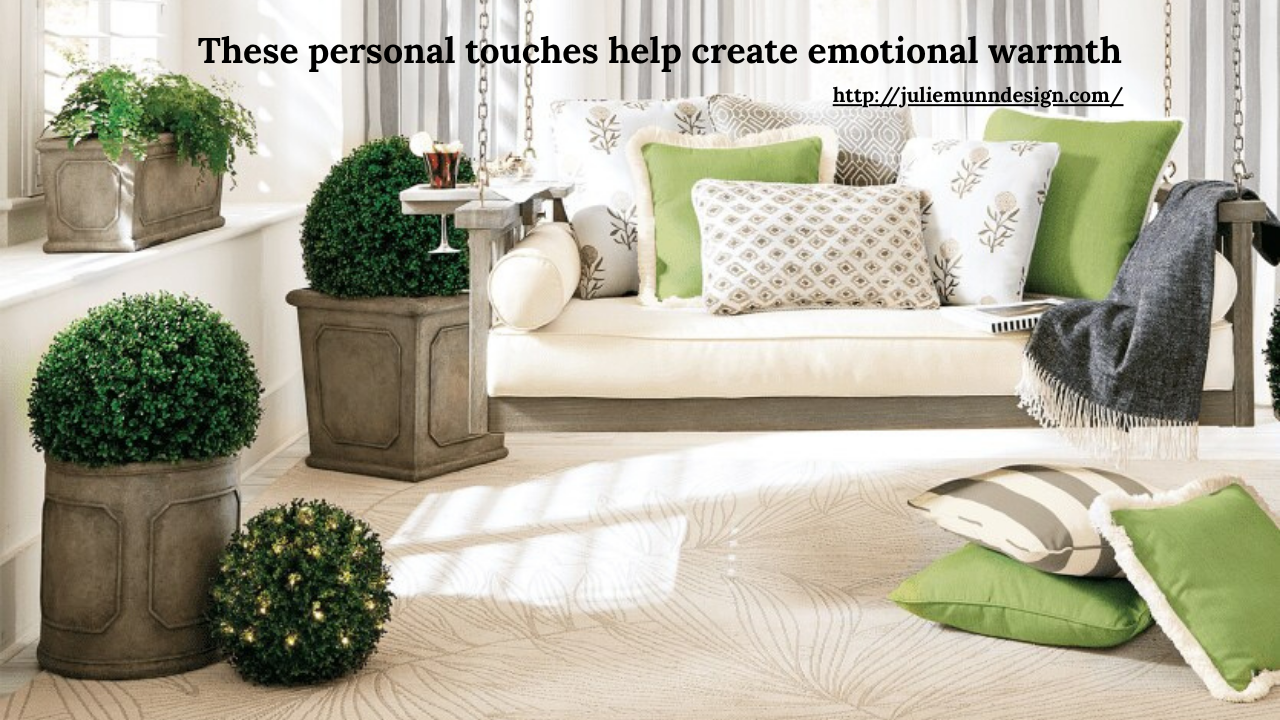
Lastly, surround yourself with items that carry personal meaning—photographs, heirlooms, or artwork that brings you joy. These personal touches help create emotional warmth and remind you of your values and journey. But be selective: mindful decorating is about quality, not quantity.


When you design with intention, your home becomes more than a shelter—it becomes a space that supports, heals, and uplifts you every day. Through mindful décor, you invite peace of mind into every corner of your life.

8 Jul

Aromas, Textures, and Light: How Sensory Design Can Enhance Your Peace of Mind

Interior design isn’t just about how a space looks—it’s about how it feels. Our senses are powerful gateways to emotion, memory, and mood, and when thoughtfully considered in home design, they can greatly enhance our mental and emotional well-being. Sensory design—the art of engaging the senses through sight, smell, touch, and more—offers a holistic way to create a calming, peaceful environment. By incorporating comforting aromas, soothing textures, and mindful lighting, you can turn your home into a space that nurtures peace of mind.

The Power of Scent: Calming Aromas for the Home

Scent is directly linked to the brain’s limbic system, which controls emotions and memory. This makes fragrance a powerful tool for creating an atmosphere of calm. Certain aromas are known for their stress-reducing properties:

  • Lavender: Reduces anxiety and promotes better sleep
  • Eucalyptus: Clears the mind and improves focus
  • Chamomile: Calms the nerves and lowers tension
  • Citrus (like lemon or orange): Uplifts the mood and energizes

Essential oil diffusers, incense, and naturally scented candles are all effective ways to infuse your space with peaceful aromas. Placing calming scents in areas like the bedroom, bathroom, or meditation corner can make these spaces even more restorative.

Textures That Comfort and Ground

Touch is another deeply emotional sense that’s often overlooked in design. The textures you choose in your home can either stimulate or soothe the nervous system. For maximum comfort, incorporate soft, tactile materials:

  • Plush blankets, rugs, and cushions offer a sense of warmth and safety
  • Natural materials like cotton, wool, rattan, and wood provide organic comfort and connection to nature
  • Layering textures—like a linen duvet over a soft knit throw—adds depth and coziness to a room

Avoid harsh, cold, or overly slick materials in spaces meant for rest and relaxation. Instead, choose fabrics and surfaces that invite you to sit, rest, and feel grounded.

Lighting: Creating a Mood with Illumination

Lighting shapes not just what we see but how we feel. Natural light has been proven to boost mood and regulate circadian rhythms. To bring more light into your home:

  • Keep windows clean and use sheer curtains to diffuse sunlight
  • Arrange furniture to take advantage of daylight
  • Use mirrors to reflect and multiply natural light

At night, harsh lighting can disrupt relaxation. Opt for warm, soft lighting using table lamps, floor lamps, or dimmable lights. Salt lamps and candles also create a soothing glow that invites calm and stillness.

A Sensory Space for the Soul

Combining aroma, texture, and light helps you craft a fully immersive environment that supports your mental health. Whether you’re unwinding after a long day or seeking a moment of stillness, a sensory-rich space can help ease stress and create emotional balance.


By engaging the senses, sensory design transforms a home into more than just a physical space—it becomes a sanctuary for the soul. With just a few thoughtful touches, you can create an environment that speaks to your senses and supports your inner peace.

16 Jun

Sacred Spaces: Designing a Home That Feels Like a Sanctuary

In today’s fast-paced, always-connected world, many of us long for a place where we can unplug, reflect, and feel truly at peace. Our homes, when thoughtfully designed, can become that sacred space—a personal sanctuary that nourishes our spirit, calms our mind, and restores our energy. Creating such a haven isn’t about luxury or trends; it’s about intentional choices that make you feel safe, centered, and whole.

What Makes a Space Sacred?

A sacred space is one that feels meaningful and supportive. It invites you to slow down, breathe deeply, and reconnect with yourself. It’s not limited to a particular room—it could be an entire home, a cozy reading corner, or a quiet spot by a window. What matters is how the space makes you feel: peaceful, protected, and inspired.

Clear the Clutter, Clear the Mind

The first step in creating a sanctuary at home is clearing out what doesn’t serve you. Clutter can be a source of mental noise, making it harder to relax. Consider simplifying your environment by keeping only those objects that are functional, meaningful, or beautiful to you. Storage solutions like baskets, cabinets, or shelves can help keep daily necessities organized and out of sight, allowing your space to feel open and calm.

Choose Calming Colors and Materials

Color and texture have a deep impact on mood. Soft, muted tones—like gentle greys, creamy whites, sage greens, or dusty blues—encourage relaxation and clarity. Natural materials such as wood, stone, linen, and wool add warmth and tactile comfort. Surrounding yourself with these elements helps create a sense of groundedness and connection to nature.

Create Zones for Rest and Reflection

Designate areas of your home for quiet and renewal. This might be a meditation nook with cushions and soft lighting, a reading chair with a cozy throw, or a bedroom that feels like a retreat with plush bedding and blackout curtains. These zones don’t need to be large or elaborate—they simply need to invite stillness and comfort.

Incorporate Symbols of Meaning

What makes a space sacred is often deeply personal. Consider incorporating items that hold significance to you—such as candles, crystals, artwork, spiritual objects, or family heirlooms. These elements serve as visual reminders of your values, intentions, and inner strength.

Let in the Light

Natural light uplifts the spirit and helps regulate our sense of time and well-being. Maximize daylight by keeping windows clean and unobstructed. In the evening, use warm, layered lighting to create a gentle, soothing atmosphere. Lamps, fairy lights, and candles can all contribute to a sanctuary-like feel.

Engage the Senses

A true sanctuary appeals to more than just the eye. Soft music, the scent of essential oils, the texture of a handwoven rug—all of these invite deeper relaxation. Consider how each sense is nourished by your space.


By designing your home with intention, you can create a sacred space that offers refuge from the world—a place where you can restore, reflect, and simply be. In doing so, you turn your home into more than shelter; it becomes a sanctuary for the soul.

1 Jun

From Chaos to Calm: Using Interior Design to Reduce Anxiety and Stress

In the hustle and bustle of daily life, your home should be a place of refuge—a space where the mind can rest and the body can recharge. However, for many, the home becomes a source of added stress due to clutter, poor lighting, or disorganized layouts. The good news is that interior design can do more than just beautify your space—it can support your mental health. With intentional choices, you can transform a chaotic home into a sanctuary that soothes anxiety and reduces stress.

The Psychology of Space

Our environment has a powerful effect on our emotions and behavior. A cluttered or noisy space can increase cortisol levels, trigger anxiety, and make it harder to focus or relax. On the other hand, calm, well-organized interiors can help promote a sense of control, peace, and emotional stability. By aligning your home’s design with the principles of comfort and clarity, you create an environment that supports your well-being.

Declutter for Mental Clarity

One of the quickest ways to reduce stress at home is by decluttering. Excess objects create visual chaos and make it harder for the mind to relax. Adopting a minimalist mindset—keeping only what you use and love—can instantly create more physical and mental space. Use concealed storage to keep everyday items out of sight and invest in smart organizational systems to keep things tidy with minimal effort.

Choose Soothing Color Palettes

Color plays a significant role in mood regulation. To create a calming atmosphere, opt for soft, muted tones like pale blues, sage greens, warm neutrals, and gentle greys. These colors are known for their calming effects and can make a space feel more open and breathable. Avoid overly bright or clashing colors in rooms meant for relaxation, such as bedrooms and living areas.

Incorporate Natural Elements

Bringing nature indoors has proven stress-reducing benefits. This can be achieved through houseplants, natural materials (like wood, stone, or cotton), or even nature-inspired artwork. Plants not only improve air quality but also add life and tranquility to any room. The presence of natural textures and colors helps mimic the soothing environment of the outdoors.

Use Lighting Strategically

Harsh overhead lights can be overstimulating and stress-inducing. Instead, opt for soft, layered lighting using floor lamps, table lamps, and dimmers. Natural light is also essential—open your blinds during the day and arrange furniture to maximize sunlight. In the evening, warm-toned lighting helps signal the body that it’s time to wind down.

Design for Function and Flow

A chaotic layout can make daily routines more frustrating than they need to be. Design your space with functionality in mind—ensure there’s an intuitive flow between rooms, and that high-use areas like the kitchen or workspace are streamlined and organized. Less friction in your daily movement leads to more peace of mind.


By making intentional design choices, you can turn your home into a place that nurtures rather than drains you. From calming colors to clutter-free surfaces, every detail plays a role in easing anxiety and restoring balance. Interior design isn’t just about aesthetics—it’s about creating an environment where you can truly feel at peace.

16 May

The Healing Power of Nature: Bringing Biophilic Design into Your Home

In an increasingly digital and fast-paced world, the need for connection to nature has never been more vital. This is where biophilic design comes in—a design philosophy that integrates natural elements into our built environments to improve well-being, reduce stress, and foster emotional balance. From indoor plants to natural light and organic materials, biophilic design taps into our innate need to feel close to nature. The result? A home that heals, soothes, and rejuvenates.

What Is Biophilic Design?

The term “biophilia” means “love of life” or “love of living systems.” Coined by biologist Edward O. Wilson, it refers to our deep-rooted connection to the natural world. Biophilic design applies this concept to interior spaces, encouraging harmony between humans and nature through architecture and décor. It’s not just about adding greenery—it’s about creating environments that reflect the rhythms, textures, and serenity of the natural world.

Why Nature Heals

Studies have shown that exposure to natural environments can lower cortisol levels (the stress hormone), boost mood, enhance focus, and even speed up recovery from illness. Simply spending time in nature—or simulating that connection indoors—can help us feel calmer, more creative, and more balanced. That’s the magic of biophilic design: it allows you to experience the mental and emotional benefits of nature without stepping outside your door.

Easy Ways to Bring Biophilic Design Into Your Home

  1. Introduce Indoor Plants
    Adding greenery is one of the simplest and most effective ways to bring nature indoors. From low-maintenance snake plants and pothos to vibrant ferns and peace lilies, houseplants purify the air and create a soothing atmosphere. Consider placing them in high-use areas like the living room, kitchen, or home office.
  2. Maximize Natural Light
    Sunlight boosts serotonin levels and regulates your sleep-wake cycle. Keep windows clear of heavy curtains during the day, use light-reflecting surfaces like mirrors, and position furniture to take advantage of natural light. Skylights or large windows, when possible, amplify this benefit.
  3. Use Natural Materials
    Incorporate materials such as wood, stone, bamboo, cork, rattan, or linen into your furnishings and decor. These textures not only add warmth but also foster a grounded, calming environment that mimics the outdoors.
  4. Incorporate Earthy Colors and Patterns
    Choose color palettes inspired by nature: forest greens, ocean blues, earthy browns, and soft neutrals. Organic patterns—like leaf motifs, waves, or natural grain—can also evoke a sense of calm and connectedness.
  5. Create Visual Connections to the Outdoors
    Position your furniture to face windows or outdoor views whenever possible. If you lack access to nature outside, consider landscape artwork, nature-themed photography, or virtual windows using digital displays.
  6. Add Elements of Water and Sound
    The sound of flowing water or birdsong can have a meditative effect. Small fountains, nature sound machines, or wind chimes help bring in this auditory layer of biophilic design.

By embracing biophilic design, you’re not just decorating—you’re creating a home that heals. Nature has the power to calm the mind, uplift the spirit, and bring us back to ourselves. Infusing your living space with its essence can make home your most nurturing sanctuary.