Designing Your Sanctuary: Home Aesthetics That Encourage Balance and Recovery
Your home can be more than a place to live; it can be a sanctuary that supports your mental, emotional, and spiritual well-being. For individuals navigating addiction recovery or managing mental health challenges, the environment around you plays a critical role in sustaining calm, focus, and resilience. Thoughtful home aesthetics are not only about beauty—they are about creating spaces that reinforce balance, reduce stress, and promote emotional recovery. Small, intentional design choices can transform ordinary rooms into nurturing environments that support your journey toward wellness.
Why Home Design Matters in Recovery
Recovery is a holistic process that encompasses physical, emotional, and mental health. While therapy, support systems, and healthy routines are crucial, the space where you spend most of your time directly impacts your mood, focus, and ability to manage stress. Chaotic, cluttered environments can heighten anxiety and trigger negative emotions. In contrast, organized, calming spaces promote mental clarity, encourage mindfulness, and provide a supportive backdrop for daily healing practices.
Choosing Colors That Foster Calm and Balance
Soft, Restorative Palettes
Colors influence mood and emotional responses. Soft, muted tones like pale blue, gentle green, warm beige, and light gray create a sense of tranquility and stability. Bedrooms and meditation areas especially benefit from these soothing colors, helping to signal to the mind that it is safe to relax and restore energy.
Strategic Color Placement
Different areas of your home serve different purposes. Living spaces may incorporate slightly warmer neutral tones to encourage connection and conversation, while areas dedicated to reflection, prayer, or journaling may benefit from cooler, calming hues. Thoughtful color placement helps guide emotional states and supports daily routines.
Lighting for Emotional Wellness
Natural Light
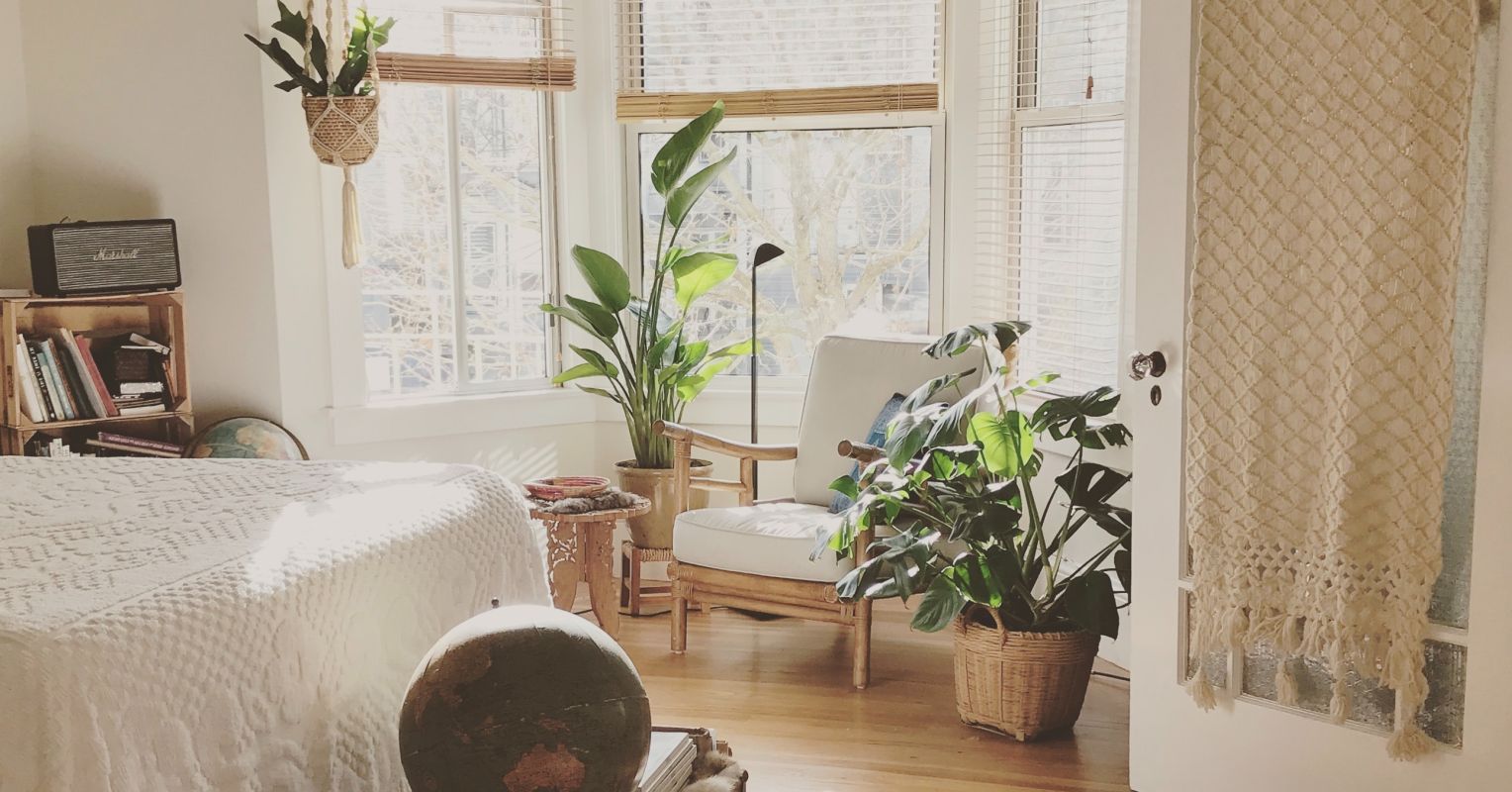
Exposure to natural light is vital for mental health. Sunlight regulates sleep cycles, improves mood, and boosts energy. Keep windows clear and allow natural light to flow into living spaces whenever possible. Even small doses of sunlight can have measurable benefits for emotional balance.
Layered Artificial Lighting
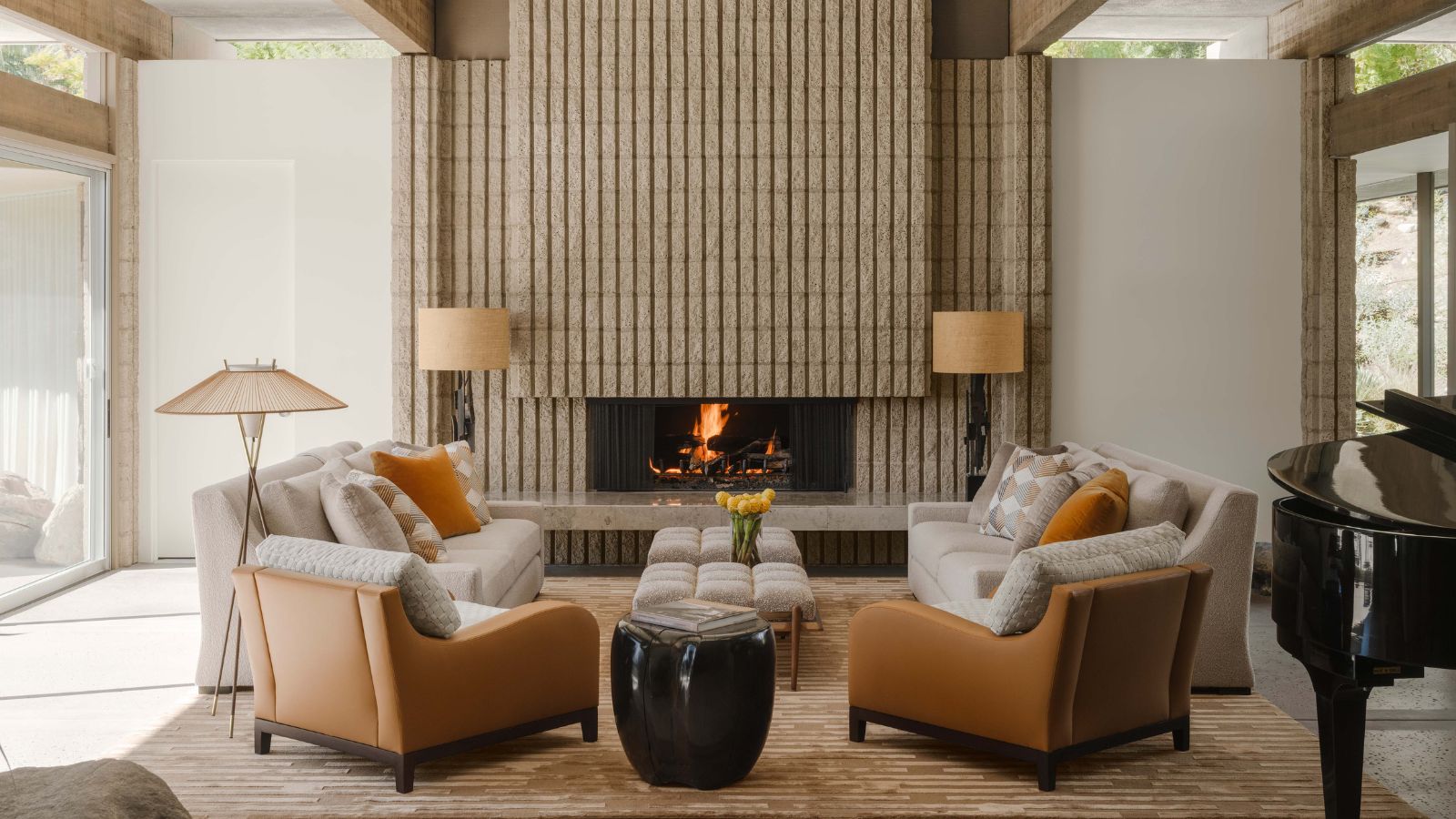
In spaces with limited sunlight, layered lighting can create warmth and comfort. A combination of overhead lights, floor lamps, and table lamps allows flexibility while reducing harsh shadows and glare. Soft, warm lighting in relaxation areas helps the nervous system feel calm and encourages reflection and mindfulness.
Simplifying Spaces to Reduce Stress
Declutter and Organize
Clutter can subconsciously increase stress and make it difficult to focus. Organizing personal belongings, clearing surfaces, and creating functional storage solutions fosters a sense of control and clarity. This is especially important in recovery, where structured routines and predictable spaces support emotional stability.
Mindful Furniture and Decor
Choose furniture and decorative elements that serve both functional and emotional purposes. Minimalism does not mean empty or cold; it means keeping items that bring comfort, meaning, and utility. Thoughtful decor choices help create a cohesive, calming environment that supports balance and well-being.
Bringing Nature and Personal Meaning Into Your Home
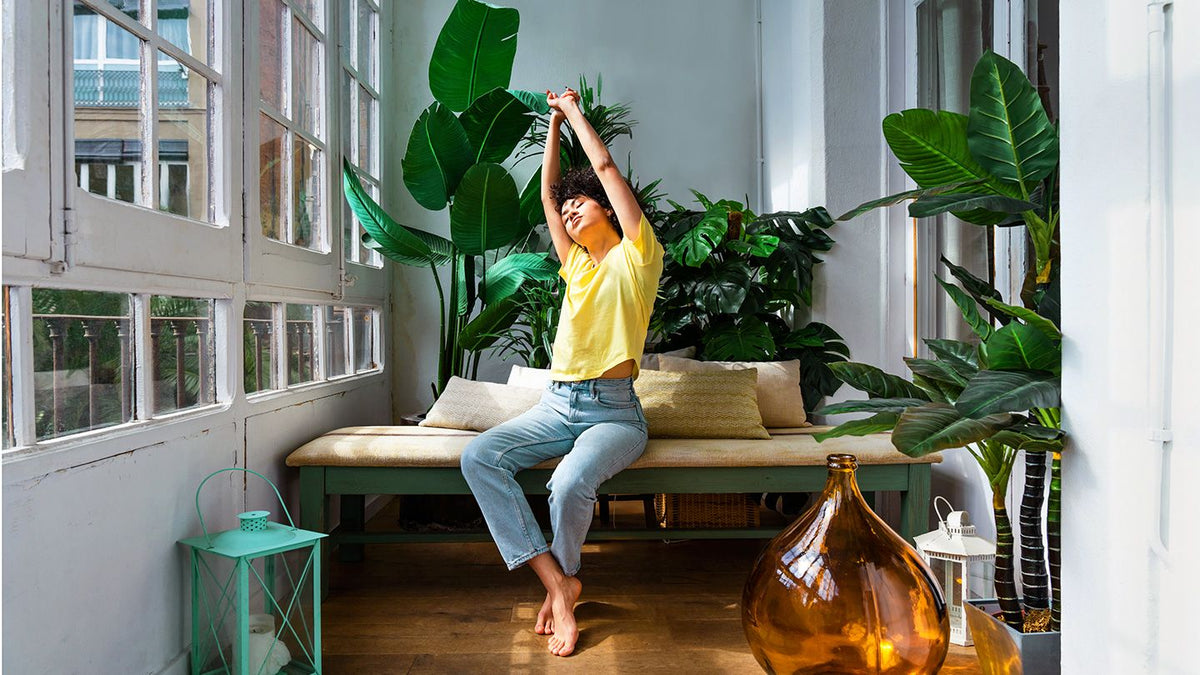
Incorporating natural elements such as plants, wood textures, stone accents, or water features has a grounding effect on the nervous system. Nature-inspired design reduces stress and fosters calm, while personal touches like family photos, artwork, or faith-based items strengthen identity and hope. Your home can become a reflection of who you are and the progress you are making in recovery.
Transform Your Home Into a Healing Sanctuary
Designing your home with intention creates a sanctuary that nurtures balance, emotional resilience, and mental clarity. By focusing on calming colors, supportive lighting, clutter reduction, natural elements, and personal touches, you can cultivate an environment that reinforces healing and encourages long-term recovery. Every deliberate choice you make in your space contributes to your overall well-being and supports the habits that sustain health and happiness.
If you or a loved one are seeking guidance on addiction recovery or mental health support, professionals offering holistic, faith-based, and individualized care can help you take the next step. Creating a home that encourages balance and recovery is a powerful way to strengthen your journey toward lasting wellness.