Faith-Based Design: How Mindful Homes Enhance Holistic Recovery for Mental Health
.jpg)
Recovery from addiction and mental health challenges is a journey that touches mind, body, and spirit. While therapy, medical treatment, and community support are essential, the spaces we live in also profoundly affect our emotional well-being and healing process. Faith-based, mindful home design integrates spiritual, holistic, and practical elements to create environments that nurture resilience, calm, and clarity. At Julie Munn Design, we specialize in crafting homes that reflect faith, support recovery, and promote overall mental wellness.
The Role of Home in Holistic Recovery
Our environment shapes our thoughts, emotions, and habits more than we often realize. A cluttered or chaotic home can heighten stress, distract from healthy routines, and even trigger negative patterns. Conversely, a home designed with intention and mindfulness fosters calm, focus, and emotional stability. For individuals navigating inpatient or outpatient programs, such a space reinforces healing practices beyond clinical settings and provides a sanctuary for daily reflection and personal growth.
Faith-based elements in the home can further support holistic recovery by connecting individuals to spiritual guidance, hope, and purpose. Integrating these principles helps align the physical environment with emotional and spiritual needs, creating a comprehensive framework for healing.
Core Principles of Faith-Based Mindful Design
Decluttering as a Spiritual and Emotional Practice
Decluttering is not only a practical step in design but also a symbolic act of letting go. Removing unnecessary items creates mental and physical space, reduces anxiety, and allows focus on personal and spiritual growth. Simple practices such as organizing closets, clearing countertops, or creating open pathways can enhance mental clarity while supporting the contemplative nature of faith-based recovery.
Choosing Calming Colors and Textures
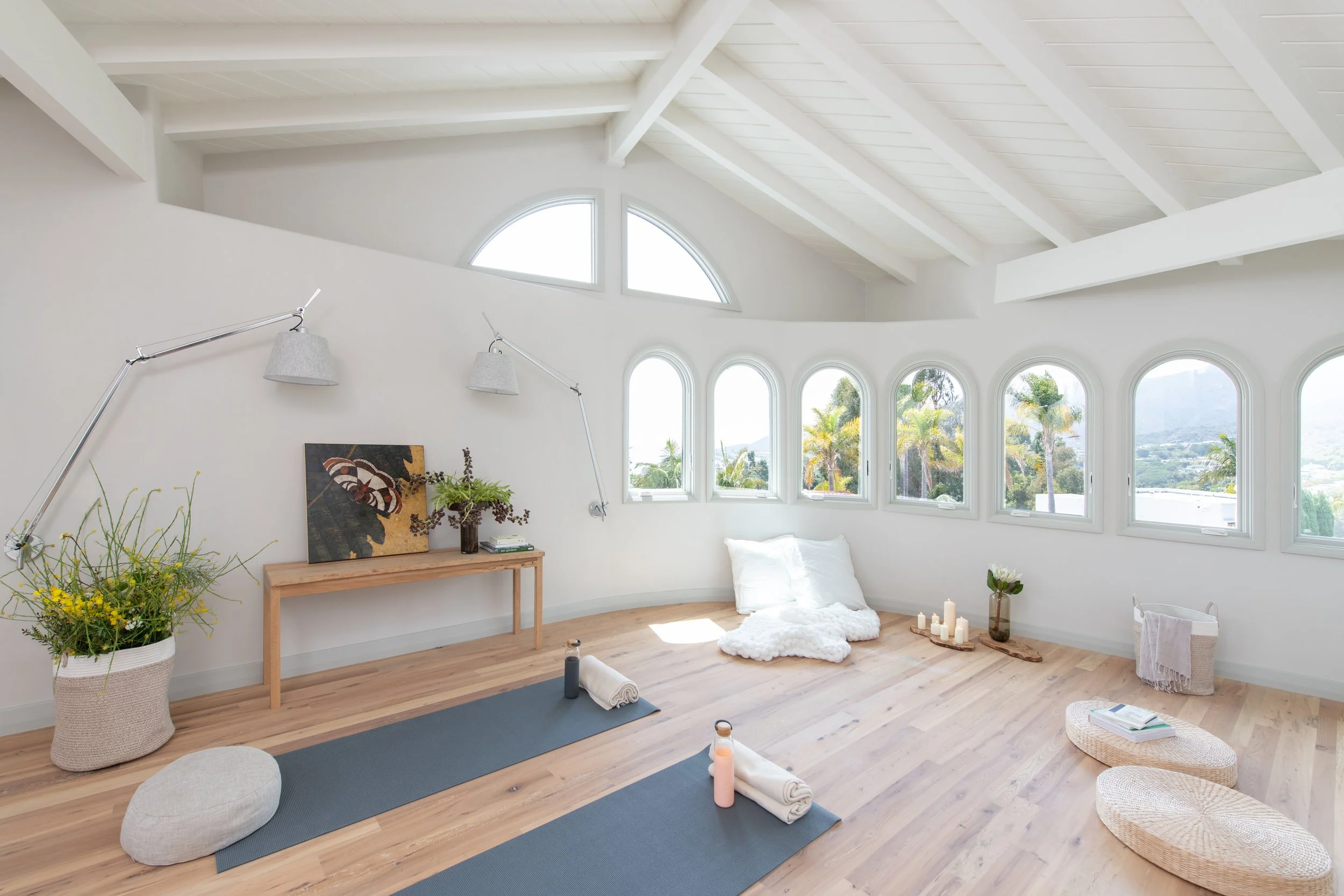
Colors and textures influence mood and perception. Soft neutrals, calming blues, and gentle greens encourage relaxation and emotional balance. Natural textures like wood, stone, and woven fabrics introduce grounding elements that connect the space to nature and evoke a sense of peace. These design choices complement holistic approaches, supporting mindfulness, meditation, and spiritual reflection.
Light and Airflow for Mindful Living
Natural light improves mood, regulates sleep, and enhances energy, all crucial for recovery. Keep windows unobstructed and consider sheer curtains to allow sunlight while maintaining privacy. Proper airflow and ventilation refresh the home, creating an atmosphere that supports calm and clarity. Evening lighting should be soft and warm to encourage rest and reflection.
Creating Purposeful Spaces for Spiritual and Mental Wellness
Intentional areas within the home reinforce faith, recovery routines, and emotional well-being. A dedicated prayer or meditation corner, a reading nook for inspirational texts, or a journaling desk can serve as anchors for mindfulness and personal growth. Incorporating meaningful faith-based artwork, scripture, or symbols fosters daily reminders of hope, resilience, and purpose.
Plants, natural materials, and calming décor enhance these spaces by supporting both emotional and spiritual balance. Each element works together to create a home that nurtures mind, body, and spirit, reflecting the holistic recovery model championed by Julie Munn Design.
Practical Steps to Implement Faith-Based Mindful Design
- Declutter one area at a time to reduce stress and promote focus.
- Choose a calming, consistent color palette that supports reflection.
- Maximize natural light and use warm, soft lighting for evenings.
- Incorporate natural elements such as plants, wood, and stone for grounding.
- Create intentional spaces for prayer, meditation, or journaling.
- Add meaningful faith-based décor that inspires hope and resilience.
Even small adjustments can transform a home into a sanctuary that supports mental wellness and holistic recovery.
Your Home as a Sanctuary for Healing
Faith-based, mindful design turns your home into more than a living space—it becomes a partner in recovery and mental wellness. By combining intentional layouts, calming colors, natural elements, and spiritual touches, your home can nurture clarity, peace, and emotional balance. At Julie Munn Design, we help clients create personalized spaces that reflect faith, support recovery, and promote holistic healing.
If you are ready to transform your home into a sanctuary for mind, body, and spirit, reach out today. Together, we can design a space that enhances your mental wellness and supports your journey every day.