Designing Calm: How Thoughtful Home Aesthetics Can Support Your Mental Health Journey
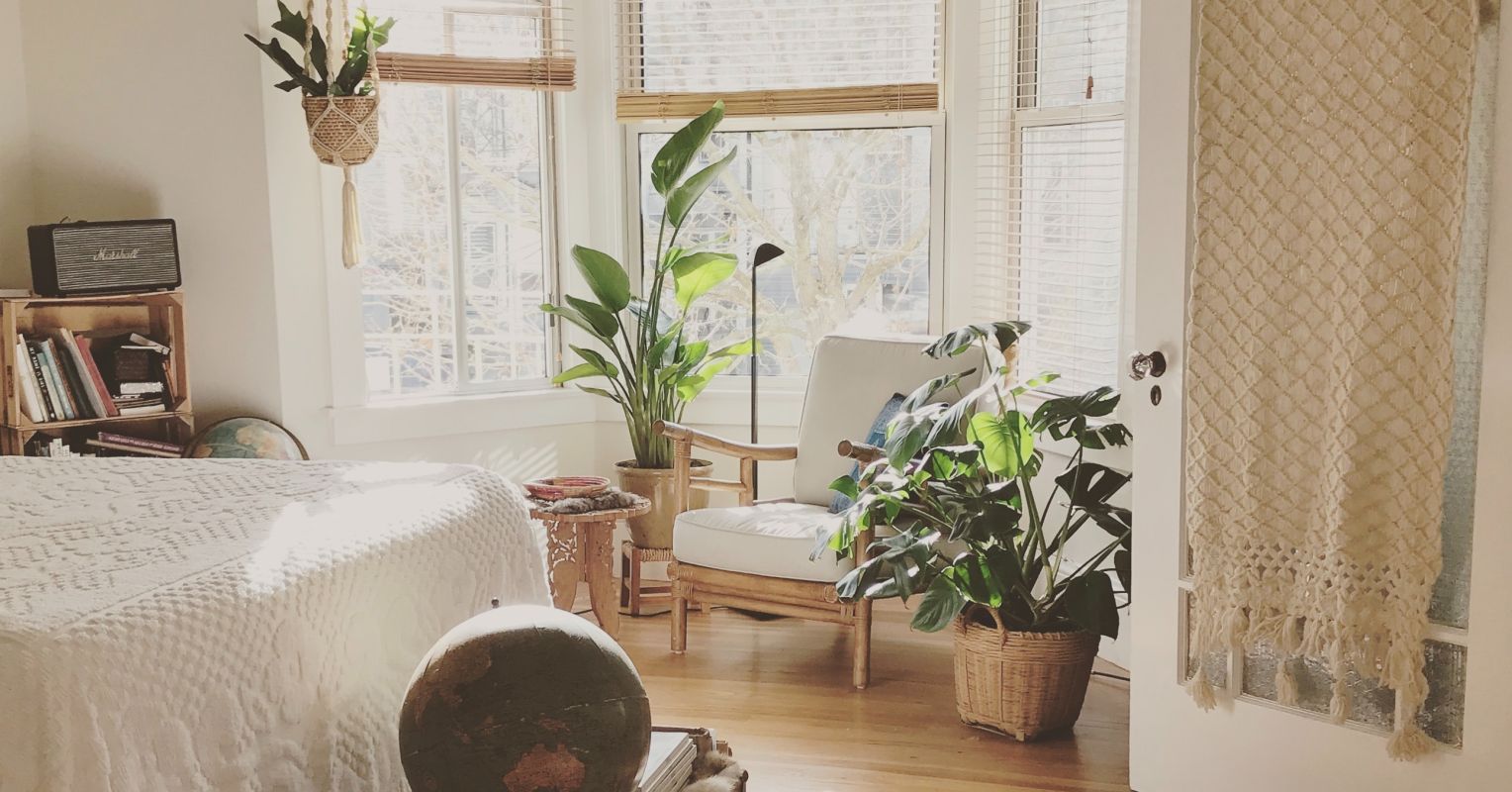
A home is more than just a physical space. It is where we recharge, reflect, and recover. For individuals navigating addiction recovery or managing mental health challenges, the environment we live in can have a profound impact on our well-being. Thoughtful home aesthetics are not just about style—they are about creating spaces that support emotional healing, reduce stress, and promote a sense of balance. By intentionally designing your home, you can foster calm, comfort, and resilience in your daily life.
The Connection Between Environment and Mental Health
Our surroundings shape our moods and behaviors more than most people realize. Cluttered or chaotic spaces can increase anxiety and overwhelm, while thoughtfully organized, serene spaces can calm the mind and support mental clarity. Research shows that environments designed with mental wellness in mind can reduce stress levels, improve sleep, and even encourage healthy routines. For those in addiction recovery, a nurturing home environment can be a vital part of sustaining sobriety and emotional stability.
Choosing Colors That Heal
Color has a powerful effect on our emotions. Soft, neutral tones like beige, soft gray, and muted pastels can create a soothing atmosphere, while brighter colors like yellow or green can energize and uplift. In spaces where relaxation is the goal, such as bedrooms or meditation areas, cooler colors like blue or lavender help signal calm and tranquility. Paying attention to color in your home is an easy yet impactful way to support your mental health journey.
Lighting for Emotional Balance
Natural light is essential for both physical and mental health. Exposure to sunlight regulates circadian rhythms, improves mood, and can help reduce symptoms of depression. Where natural light is limited, soft warm lighting and adjustable fixtures can replicate a calming effect. In spaces dedicated to reflection or recovery, consider using lamps or diffused lighting to create a gentle, welcoming ambiance.
Simplifying Your Space
A clutter-free environment encourages a clutter-free mind. Simplifying your home through organization and minimalism can reduce feelings of stress and overwhelm. Incorporate storage solutions, clear surfaces, and purposeful decor to create spaces that feel open and breathable. For individuals managing recovery, a tidy and orderly environment supports focus, mindfulness, and a sense of control over daily life.
Bringing Nature Inside
Incorporating elements of nature can have therapeutic effects. Houseplants, natural textures like wood and stone, and water features can create a calming, grounding atmosphere. Studies have shown that exposure to natural elements reduces stress, improves cognitive function, and supports emotional well-being. Bringing nature indoors connects us to the outside world and reinforces a sense of life and growth, which is especially meaningful during recovery.
Personalizing for Comfort and Connection
Your home should reflect your personality, values, and healing journey. Personal touches, whether through photographs, meaningful artwork, or comforting textiles, provide a sense of identity and emotional support. Spaces that resonate with your personal story can strengthen self-awareness and reinforce the positive choices you are making in your recovery and mental health journey.
Creating a Home That Supports Healing
Designing calm in your home is more than an aesthetic choice—it is a commitment to your well-being. By thoughtfully considering color, light, organization, nature, and personal touches, you can cultivate an environment that nurtures your mind and supports your journey through addiction recovery or mental health challenges. Small, intentional changes in your living space can have a profound effect on your emotional resilience and overall peace of mind.
If you are seeking guidance on creating a healing home environment or need support on your recovery journey, reach out to professionals who specialize in mental health and addiction recovery. Every step toward a calmer, healthier home is a step toward a stronger, more balanced you.