Color, Light, and Serenity: Decorating Choices That Quiet Your Mind and Boost Well‑Being
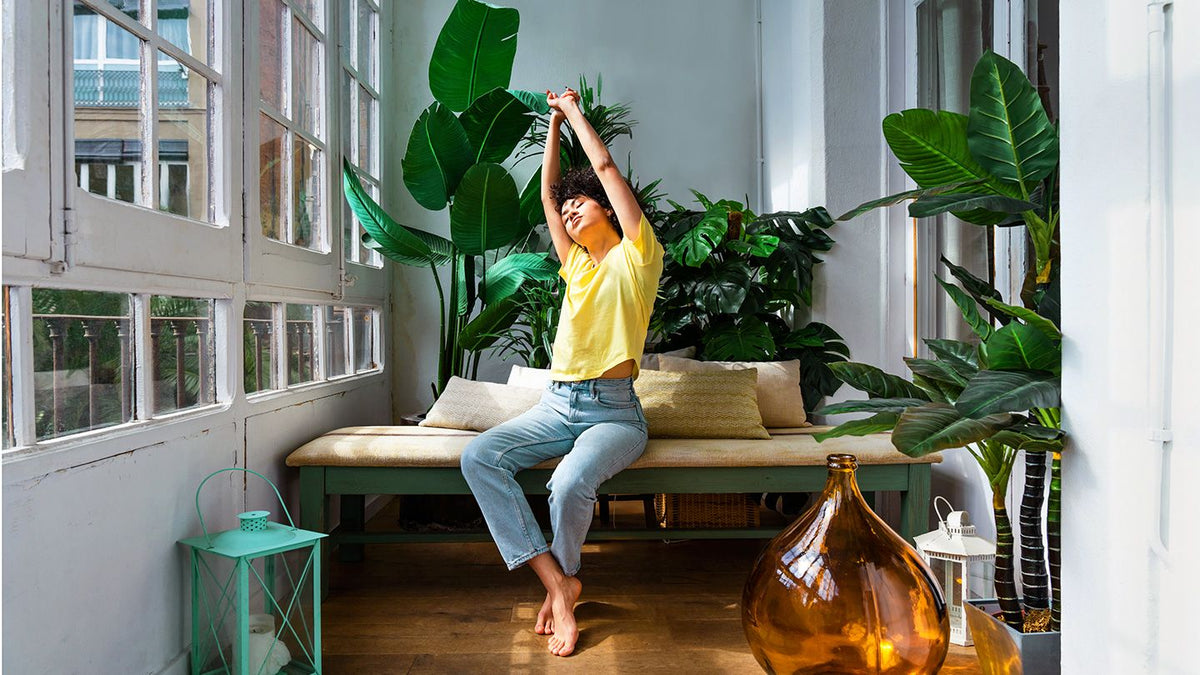
The spaces we live in shape how we think, feel, and heal. For individuals navigating addiction recovery or managing mental health challenges, the home environment can either support calm and clarity or quietly increase stress and overwhelm. Thoughtful decorating choices rooted in color, light, and intentional design can help quiet the mind, restore balance, and reinforce emotional well-being. A healing home does not need to be perfect or expensive. It needs to be intentional, supportive, and aligned with where you are in your recovery journey.
Why Home Environment Matters in Mental Health and Recovery
Mental health treatment and addiction recovery often focus on therapy, support systems, and daily routines. However, the environment where someone lives and rests plays a critical role in sustaining progress. Visual clutter, harsh lighting, and overstimulating colors can increase anxiety, disrupt sleep, and make emotional regulation more difficult.
In contrast, calming spaces promote nervous system regulation, improve focus, and encourage healthy habits. For individuals in inpatient or outpatient care, or those transitioning back into everyday life, a supportive home environment becomes a powerful extension of treatment and self-care.
The Emotional Power of Color
Choosing Colors That Calm the Mind
Color directly affects mood and emotional response. Soft, muted tones help signal safety and calm to the brain. Shades like warm beige, soft gray, pale blue, and gentle green can reduce stress and promote relaxation. These colors are especially helpful in bedrooms, living spaces, and areas used for reflection or prayer.
Bright or overly saturated colors can be stimulating and emotionally intense. While they may have a place in small accents, they are best used sparingly in a recovery-focused home.
Using Color to Create Emotional Boundaries
Different rooms serve different emotional purposes. Bedrooms benefit from cooler, quieter tones that encourage rest and emotional recovery. Common areas can feel welcoming and grounded with neutral palettes that promote connection without overstimulation. Creating these visual boundaries helps the mind transition more easily between rest, reflection, and daily activity.
Light as a Tool for Emotional Balance
Maximizing Natural Light
Natural light supports circadian rhythms, improves mood, and helps regulate sleep patterns. Whenever possible, allow sunlight to enter living spaces by keeping windows clear and using light window treatments. Even brief exposure to natural light each day can reduce symptoms of depression and fatigue.
Creating Soft and Supportive Artificial Lighting
Not every space has access to abundant sunlight. In those cases, layered lighting becomes essential. Use a combination of overhead lighting, table lamps, and floor lamps to create warmth and flexibility. Soft white bulbs tend to feel more calming than harsh or cool lighting.
Avoid bright, direct light in areas meant for relaxation. Adjustable lighting allows individuals to match their environment to their emotional needs throughout the day.
Designing for Serenity and Simplicity
Reducing Visual Noise
Clutter can quietly increase anxiety and mental fatigue. Simplifying decor, organizing belongings, and creating intentional storage helps reduce visual noise. A clean, ordered space supports clarity and emotional grounding, which are essential during recovery.
Minimalism does not mean empty or cold. It means choosing items that serve a purpose or bring comfort and meaning.
Incorporating Natural Elements
Nature has a grounding effect on the nervous system. Bringing natural textures into the home through wood, stone, cotton, or linen can create warmth and stability. Houseplants add life, improve air quality, and reinforce themes of growth and renewal that are deeply meaningful in recovery.
Personalizing Space for Healing and Faith
A healing home should reflect personal values and sources of strength. For some, this may include faith-based elements such as inspirational artwork, meaningful texts, or quiet spaces for prayer and reflection. For others, it may be photos, memories, or creative expression.
Personal touches remind individuals of their identity beyond addiction and reinforce hope, purpose, and resilience.
Creating a Home That Supports Lasting Well-Being
Color, light, and thoughtful design are more than decorative choices. They are tools that support emotional regulation, mental clarity, and long-term recovery. By intentionally shaping your home environment, you create daily reinforcement for the healing work you are already doing.
If you or a loved one is seeking support for addiction recovery or mental health treatment, compassionate and individualized care can make all the difference. Reach out to professionals who understand the connection between environment, emotional health, and lasting recovery. Healing does not stop at the therapy room. It continues at home, one thoughtful choice at a time.