Calm by Design: Interior Decorating Strategies for a Peaceful Mind
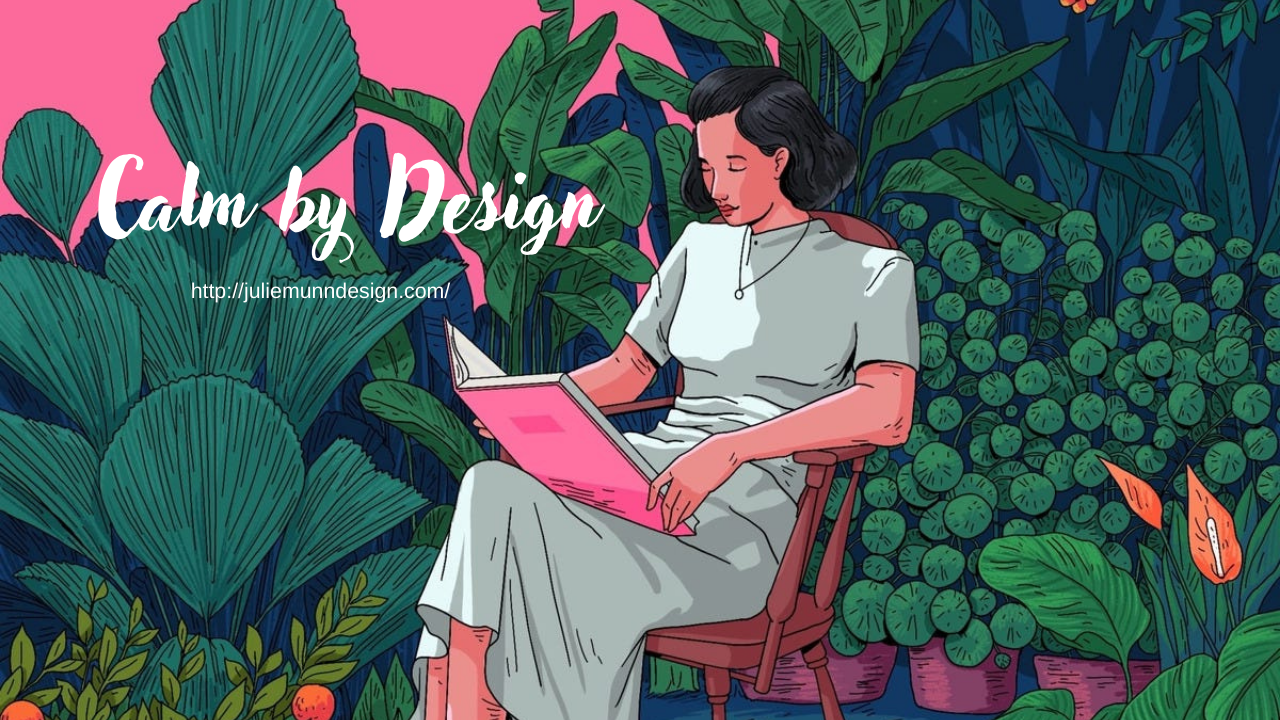
Our homes are more than living spaces—they are environments that shape how we think, feel, and recover. For individuals on the journey of addiction recovery or facing mental health challenges, the atmosphere of a home can either support wellness or contribute to stress. At Julie Munn Design, we understand that thoughtful interior decorating is a powerful tool for emotional balance. Through holistic, faith-based, and individualized approaches, a carefully designed home can foster calm, focus, and peace of mind.
Why Your Home Impacts Mental Health
Recovery is a holistic process that extends beyond therapy sessions. Studies show that the spaces we inhabit influence our stress levels, mood, and ability to maintain healthy routines. A cluttered or chaotic environment can increase anxiety and disrupt emotional stability. Conversely, a space that reflects order, warmth, and intentionality promotes clarity and serenity. By integrating design strategies aligned with mental wellness principles, your home becomes a supportive partner in recovery.
Principles of Calm Interior Design
Clear Clutter, Create Clarity
Clutter can overwhelm the senses and increase mental fatigue. Begin by simplifying your environment. Remove items that no longer serve a purpose or bring joy. Use hidden storage, minimalist furniture, and organized layouts to create open pathways. A home free from unnecessary clutter allows your mind to relax and focus on what truly matters.
Light and Nature: Healing Elements
Natural light and biophilic elements play a vital role in emotional well-being. Keep windows clear to maximize sunlight and consider sheer curtains to diffuse harsh light. Introduce indoor plants to bring life, color, and improved air quality into your home. Wood, stone, and natural fabrics create warmth and a grounded atmosphere that complements holistic recovery approaches.
Calming Color Palettes
Color directly affects mood. Soft blues, gentle greens, and warm neutrals promote tranquility and mental clarity. Avoid overly bright or high-contrast colors in spaces dedicated to rest or reflection. Instead, focus on cohesive palettes that create a sense of continuity and ease throughout your home.
Design Purposeful Spaces
Every area in your home can serve a specific function to support recovery. Create zones for rest, meditation, journaling, or prayer. A cozy reading nook, a quiet corner for reflection, or a soft, inviting bedroom can reinforce healthy routines. Thoughtful spatial arrangements encourage mindfulness and provide consistent reminders to nurture your mental health.
Integrating Faith-Based and Holistic Principles
Faith can be a guiding light in the recovery process. Incorporate subtle spiritual elements, such as inspirational artwork, prayer journals, or meaningful symbols. Pair these with holistic features like natural textures, soft lighting, and comfortable furnishings to create spaces that nurture both mind and spirit. These design choices help bridge treatment principles from inpatient or outpatient care into the home environment.
Practical Decorating Tips for a Peaceful Mind
- Choose soft, tactile fabrics for comfort and grounding
- Layer lighting with lamps, dimmers, and natural light
- Introduce greenery to improve mood and air quality
- Maintain open pathways to reduce stress and increase movement
- Curate personal and meaningful items that inspire hope and reflection
These simple yet intentional adjustments create a home that feels safe, supportive, and restorative.
Transform Your Home, Support Your Recovery
A peaceful home is more than aesthetics; it is a space that actively supports your mental and emotional well-being. Through calm design principles, intentional layouts, and faith-based elements, your living environment can reinforce the work you are doing in recovery. At Julie Munn Design, we combine professional expertise with compassionate, individualized care to help you create a home that heals.
Take the next step today. Reach out to explore how interior design can transform your home into a sanctuary for recovery, reflection, and lasting peace of mind.