Peaceful by Design: How Home Aesthetics Can Support Mental Health and Emotional Recovery
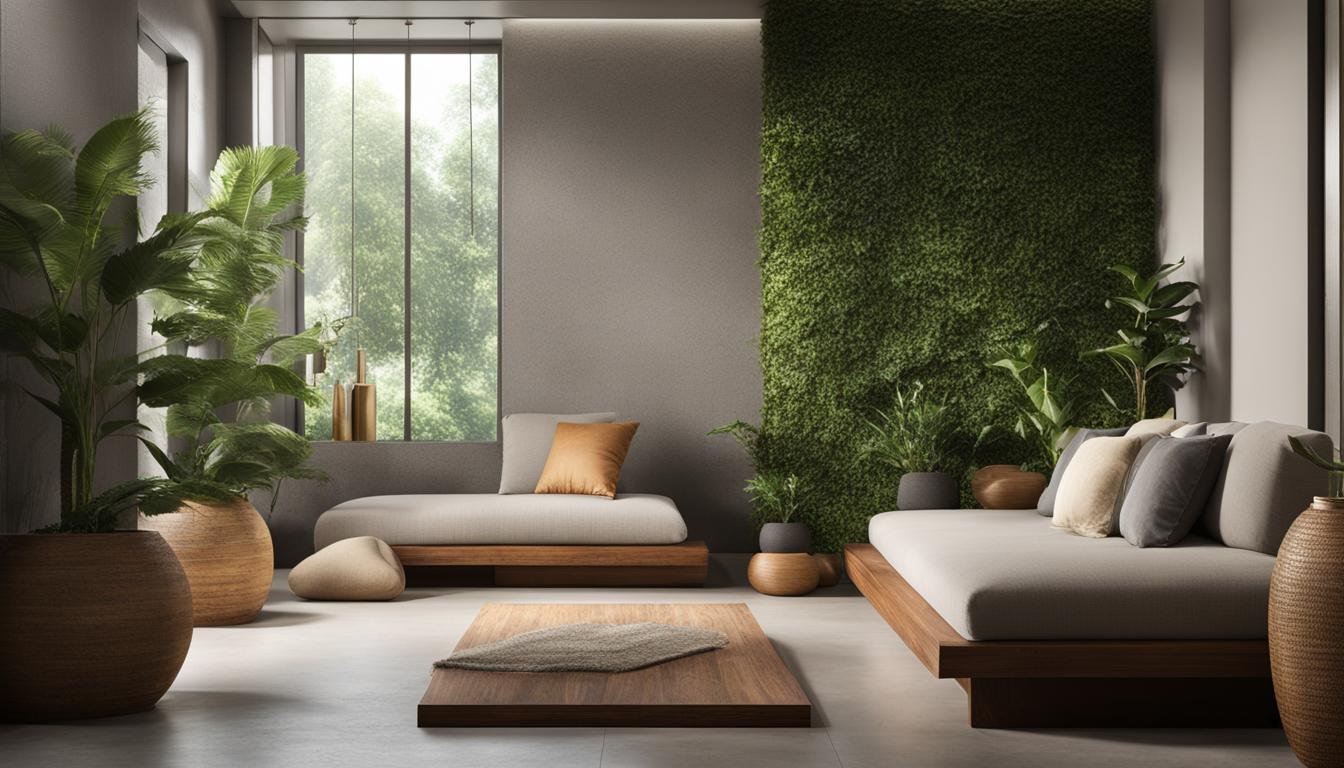
A peaceful home does not happen by accident. It is created through intention, awareness, and small design choices that shape how you feel each day. For individuals navigating addiction recovery or working through mental health challenges, the home environment can either reinforce emotional stress or actively support healing. Thoughtful home aesthetics help create stability, reduce anxiety, and encourage a sense of calm that supports long-term recovery.
When your surroundings feel safe and balanced, your mind has more space to rest and recover. Peaceful by design means shaping your home so it works with your mental health, not against it.
Why Home Aesthetics Matter in Mental Health and Recovery
Recovery is not limited to treatment programs or therapy sessions. It continues in everyday life, especially within the spaces where you live and rest. Your home environment influences your mood, habits, and emotional regulation more than most people realize.
A cluttered, chaotic, or overstimulating space can increase stress and make it harder to focus or maintain routines. Over time, this can contribute to emotional fatigue and feelings of overwhelm. In contrast, a calm and intentional home environment supports stability, clarity, and resilience.
For individuals transitioning from inpatient or outpatient care, a supportive home becomes an essential part of maintaining progress and continuing the healing process.
Creating Calm Through Intentional Interior Design
Use Color to Support Emotional Balance
Color has a direct impact on how the mind and body respond to a space. Soft, muted tones such as warm beige, pale blue, sage green, and gentle gray help create a calming atmosphere that supports emotional regulation.
These colors reduce visual stimulation and help the nervous system settle. You do not need to repaint your entire home. Simple updates like pillows, bedding, artwork, or curtains can meaningfully shift the emotional tone of a room.
Let Lighting Support Mood and Energy
Lighting plays a powerful role in mental health. Natural light helps regulate sleep cycles, improves energy, and supports overall emotional well-being. Opening curtains during the day and allowing sunlight into your space can create a noticeable shift in mood.
When natural light is limited, layered lighting becomes important. Soft lamps, warm bulbs, and indirect lighting help create comfort without overwhelming the senses. This is especially helpful in the evening when the body needs to transition toward rest.
Reducing Stress Through Simplicity and Structure
Declutter to Create Mental Clarity
Clutter can quietly increase stress by overwhelming the senses and creating visual noise. Simplifying your space helps reduce this burden and creates a sense of control and order.
Start small. Focus on one surface, one drawer, or one area at a time. Each step forward builds momentum and reinforces a sense of accomplishment, which is especially important during recovery.
A simpler environment often leads to a calmer and more focused mind.
Build Easy Systems That Support Daily Life
Organization does not need to be complicated to be effective. Simple systems such as labeled bins, storage baskets, and designated places for everyday items help maintain order with minimal effort.
The goal is not perfection. The goal is sustainability. When your home is easy to maintain, it becomes a source of support rather than stress.
Bringing Nature Into the Healing Environment
Natural elements have a grounding effect on both mind and body. Incorporating plants, wood textures, stone accents, or natural fabrics helps create a soothing and restorative atmosphere.
Houseplants are especially meaningful in recovery settings because they symbolize growth and renewal. Caring for something living also encourages routine and mindfulness, both of which support emotional stability.
Even small natural additions can shift the energy of a space and make it feel more peaceful and balanced.
Creating Spaces That Encourage Reflection and Rest
A peaceful home should include areas dedicated to slowing down and reconnecting with yourself. This might be a quiet chair for journaling, a corner for prayer or meditation, or a simple space for reading and reflection.
These intentional spaces support emotional regulation by providing a consistent place to pause and reset. Over time, they help build healthier coping patterns and reinforce inner stability.
Personal touches such as meaningful photographs, artwork, or faith-based elements can also provide comfort and strengthen emotional grounding during difficult moments.
Conclusion: Designing a Home That Supports Emotional Recovery
Peaceful by design is about more than aesthetics. It is about creating a home that actively supports mental health, emotional balance, and long-term recovery. Through thoughtful choices in color, lighting, organization, natural elements, and personal meaning, your space can become a foundation for healing.
For individuals navigating addiction recovery or mental health challenges, these environmental supports can reinforce the progress made through treatment and daily life. When combined with compassionate, individualized, and holistic care, your home becomes part of your recovery journey.
If you or a loved one is seeking support, reaching out for professional help is an important step forward. Healing is not only about treatment. It is also about building a life and a home that support peace, stability, and lasting emotional well-being.