30 Jan

Color, Light, and Serenity: Decorating Choices That Quiet Your Mind and Boost Well‑Being
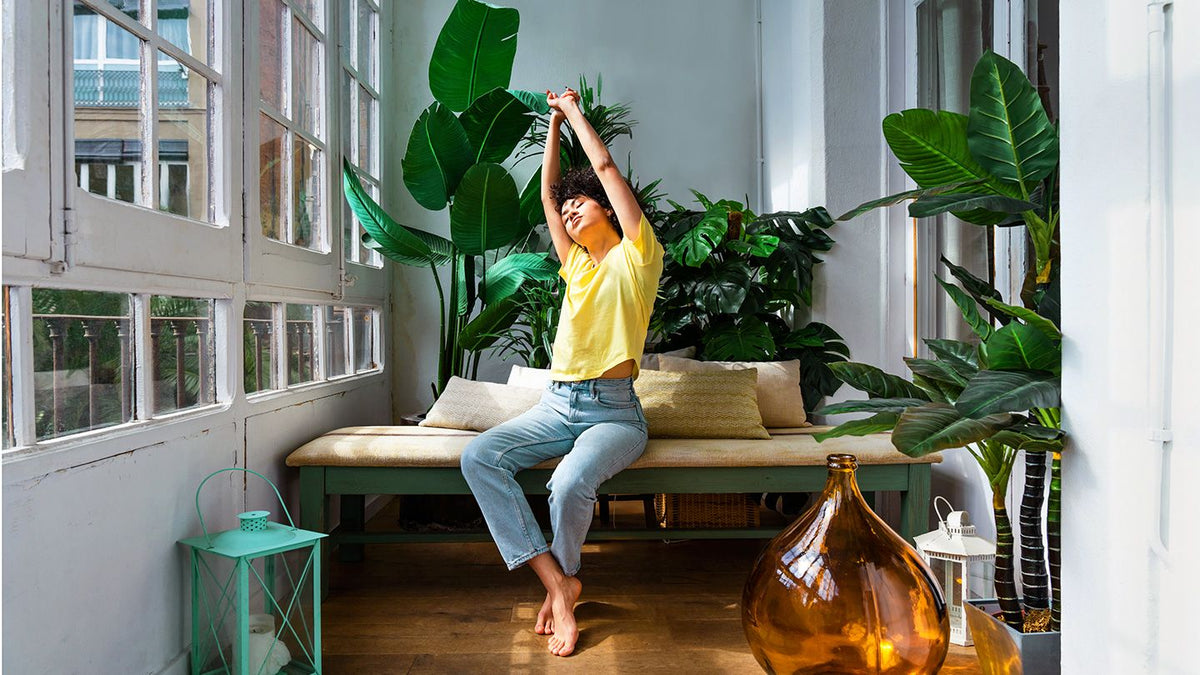
The spaces we live in shape how we think, feel, and heal. For individuals navigating addiction recovery or managing mental health challenges, the home environment can either support calm and clarity or quietly increase stress and overwhelm. Thoughtful decorating choices rooted in color, light, and intentional design can help quiet the mind, restore balance, and reinforce emotional well-being. A healing home does not need to be perfect or expensive. It needs to be intentional, supportive, and aligned with where you are in your recovery journey.

Why Home Environment Matters in Mental Health and Recovery

Mental health treatment and addiction recovery often focus on therapy, support systems, and daily routines. However, the environment where someone lives and rests plays a critical role in sustaining progress. Visual clutter, harsh lighting, and overstimulating colors can increase anxiety, disrupt sleep, and make emotional regulation more difficult.

In contrast, calming spaces promote nervous system regulation, improve focus, and encourage healthy habits. For individuals in inpatient or outpatient care, or those transitioning back into everyday life, a supportive home environment becomes a powerful extension of treatment and self-care.

The Emotional Power of Color

Choosing Colors That Calm the Mind

Color directly affects mood and emotional response. Soft, muted tones help signal safety and calm to the brain. Shades like warm beige, soft gray, pale blue, and gentle green can reduce stress and promote relaxation. These colors are especially helpful in bedrooms, living spaces, and areas used for reflection or prayer.

Bright or overly saturated colors can be stimulating and emotionally intense. While they may have a place in small accents, they are best used sparingly in a recovery-focused home.

Using Color to Create Emotional Boundaries

Different rooms serve different emotional purposes. Bedrooms benefit from cooler, quieter tones that encourage rest and emotional recovery. Common areas can feel welcoming and grounded with neutral palettes that promote connection without overstimulation. Creating these visual boundaries helps the mind transition more easily between rest, reflection, and daily activity.

Light as a Tool for Emotional Balance

Maximizing Natural Light

Natural light supports circadian rhythms, improves mood, and helps regulate sleep patterns. Whenever possible, allow sunlight to enter living spaces by keeping windows clear and using light window treatments. Even brief exposure to natural light each day can reduce symptoms of depression and fatigue.

Creating Soft and Supportive Artificial Lighting

Not every space has access to abundant sunlight. In those cases, layered lighting becomes essential. Use a combination of overhead lighting, table lamps, and floor lamps to create warmth and flexibility. Soft white bulbs tend to feel more calming than harsh or cool lighting.

Avoid bright, direct light in areas meant for relaxation. Adjustable lighting allows individuals to match their environment to their emotional needs throughout the day.

Designing for Serenity and Simplicity

Reducing Visual Noise

Clutter can quietly increase anxiety and mental fatigue. Simplifying decor, organizing belongings, and creating intentional storage helps reduce visual noise. A clean, ordered space supports clarity and emotional grounding, which are essential during recovery.

Minimalism does not mean empty or cold. It means choosing items that serve a purpose or bring comfort and meaning.

Incorporating Natural Elements

Nature has a grounding effect on the nervous system. Bringing natural textures into the home through wood, stone, cotton, or linen can create warmth and stability. Houseplants add life, improve air quality, and reinforce themes of growth and renewal that are deeply meaningful in recovery.

Personalizing Space for Healing and Faith

A healing home should reflect personal values and sources of strength. For some, this may include faith-based elements such as inspirational artwork, meaningful texts, or quiet spaces for prayer and reflection. For others, it may be photos, memories, or creative expression.

Personal touches remind individuals of their identity beyond addiction and reinforce hope, purpose, and resilience.

Creating a Home That Supports Lasting Well-Being

Color, light, and thoughtful design are more than decorative choices. They are tools that support emotional regulation, mental clarity, and long-term recovery. By intentionally shaping your home environment, you create daily reinforcement for the healing work you are already doing.

If you or a loved one is seeking support for addiction recovery or mental health treatment, compassionate and individualized care can make all the difference. Reach out to professionals who understand the connection between environment, emotional health, and lasting recovery. Healing does not stop at the therapy room. It continues at home, one thoughtful choice at a time.

23 Jan

The Healing Home: Decorating Strategies to Foster Peace, Balance, and Recovery

Your home is more than a place to live. For individuals navigating addiction recovery or managing mental health challenges, it can be a sanctuary, a space that promotes calm, clarity, and healing. Thoughtful interior design is a powerful tool in this journey. By intentionally shaping your environment, you can create spaces that reduce stress, support emotional wellness, and encourage positive daily habits. A healing home is not only aesthetically pleasing but also functional and nurturing for your mind, body, and spirit.

Understanding the Role of Environment in Recovery

Our surroundings have a profound impact on mental and emotional well-being. Cluttered or chaotic spaces can increase anxiety and disrupt focus, while environments designed with peace and balance in mind can help calm the mind and improve emotional resilience. In addiction recovery, maintaining a stable, serene living space can reinforce routines, reduce triggers, and support long-term sobriety. Recognizing the connection between environment and mental health is the first step in creating a home that fosters healing.

Choosing Colors That Encourage Calm

Color affects mood and behavior more than many people realize. Soft, neutral tones like beige, pale gray, and muted pastels can create a sense of tranquility. Cooler shades such as blue and lavender encourage relaxation and restful energy, making them ideal for bedrooms and meditation spaces. For areas where energy and focus are needed, gentle greens or warm neutrals can promote balance without overstimulation. Thoughtful color choices can subtly influence your emotional state and support your recovery journey.

Lighting for Wellness

Light is essential for both physical and mental health. Exposure to natural light helps regulate circadian rhythms, improve mood, and increase energy levels. For rooms with limited sunlight, layered lighting using soft overhead lights, floor lamps, and table lamps can create a warm and inviting atmosphere. Adjustable lighting allows you to match your environment to your emotional needs, helping to reduce stress and support mindfulness practices at home.

Simplifying and Organizing Your Space

A tidy, well-organized home supports a clear and focused mind. In recovery, structure and routine are vital, and your environment can either hinder or help these efforts. Decluttering, organizing personal items, and creating functional storage solutions reduce distractions and foster a sense of control. When every item in your home has a purpose and place, it becomes easier to maintain order and establish calming routines.

Incorporating Nature for Balance

Bringing elements of nature into your home has proven therapeutic effects. Indoor plants, natural textures such as wood or stone, and water features can create grounding and restorative environments. Exposure to natural elements helps reduce stress, improves cognitive function, and reinforces feelings of connection and growth. A home that reflects the natural world can be particularly comforting for individuals working through recovery or mental health challenges.

Personalizing Your Healing Spaces

Your home should reflect your identity and support your journey. Incorporate personal touches such as meaningful artwork, photographs, or textiles that bring comfort and joy. Spaces that resonate emotionally enhance mindfulness, reinforce positive behaviors, and encourage reflection. Personalized design transforms a home into a sanctuary that nurtures both emotional and spiritual well-being.

Take the Next Step Toward a Healing Home

Creating a healing home is a thoughtful process that combines aesthetics, functionality, and emotional awareness. By choosing calming colors, optimizing lighting, simplifying your environment, connecting with nature, and personalizing your space, you can cultivate a home that promotes peace, balance, and recovery. Small, intentional changes in your living environment can have profound effects on your mental health and support your long-term recovery goals.

If you are seeking guidance on designing a home that fosters emotional wellness or need support in your recovery journey, reach out to professionals who understand addiction, mental health, and holistic healing. Every step toward a more peaceful and supportive home is a step toward a stronger, healthier you.

15 Jan

The Architecture of Calm: How Intentional Interior Design Supports Your Mental Health and Peace of Mind

Our physical surroundings act as a silent mirror to our internal state. When we are navigating the complexities of addiction recovery or managing mental health challenges, a cluttered, chaotic, or poorly lit environment can inadvertently amplify feelings of anxiety and restlessness. Conversely, a space that is designed with intention can serve as a powerful anchor for healing. At Julie Munn Design, we understand that interior decorating is not merely about aesthetic appeal: it is about creating a functional sanctuary that fosters emotional stability. By understanding the profound connection between your home and your brain chemistry, you can utilize design as a therapeutic tool to maintain your peace of mind. Our approach integrates professional design principles with a compassionate understanding of wellness, helping you build an environment that supports your journey toward wholeness.

The Psychology of Color and Emotional Regulation

Color is one of the most immediate ways to influence the atmosphere of a room and, by extension, your mood. In the world of mental health treatment, specific hues are known to trigger distinct psychological responses. To achieve optimal peace of mind, it is essential to choose a palette that promotes relaxation rather than overstimulation.

  • Cool Tones: Soft blues, muted greens, and gentle lavenders are often associated with the sky and water. These colors have a natural ability to lower heart rates and provide a sense of expansive calm.
  • Warm Neutrals: Earthy tones like sand, terracotta, and soft beige provide a sense of “grounding.” These colors make a space feel secure and stable, which is vital during the early stages of addiction recovery.
  • Avoiding High Contrast: While bold reds or bright yellows can be energizing, they can also trigger agitation in individuals prone to anxiety. A more monochromatic or analogous color scheme reduces visual noise and allows the mind to rest.

Lighting as a Catalyst for Biological Healing

Light is perhaps the most critical element in supporting our circadian rhythms and overall mental health. A home that lacks natural light can contribute to seasonal affective disorder and lethargy, while harsh, artificial blue light can disrupt sleep patterns and increase stress hormones.

To support your peace of mind, aim for a layered lighting approach. Maximize natural sunlight during the day by using sheer window treatments that allow light to filter in while maintaining privacy. In the evening, transition to warm, low level lighting using lamps and dimmers. This shift signals to the brain that it is time to wind down, facilitating the deep, restorative sleep that is a prerequisite for effective mental health recovery.

Creating Zones for Reflection and Recovery

Whether you are currently in an outpatient care program or have recently completed inpatient treatment, your home needs to accommodate the new, healthy routines you have established. Interior design can help facilitate these habits by creating dedicated “zones” for specific activities.

The Reflection Nook

Designate a specific corner of your home for mindfulness, prayer, or journaling. This space should be free from digital distractions and electronics. By consistently using this area for reflection, your brain will begin to associate that physical spot with a state of calm, making it easier to enter a meditative mindset when you sit there.

Decluttering for Mental Clarity

A cluttered home often leads to a cluttered mind. From a clinical perspective, excessive “visual weight” forces the brain to process more information than necessary, leading to cognitive fatigue. By utilizing smart storage solutions and practicing a minimalist approach to decor, you create a sense of physical and mental “breathing room.” This clarity is essential for those who need to maintain focus on their individualized recovery goals.

Integrating Holistic and Personal Touches

True peace of mind comes from an environment that reflects your true self and your spiritual values. Incorporating natural elements—such as indoor plants, natural wood textures, and stone—brings a piece of the outside world in, which is naturally soothing to the human psyche.

Furthermore, consider incorporating faith based or inspirational art that reminds you of your purpose and the progress you have made. At Julie Munn Design, we believe that your home should be a testament to your resilience. By choosing pieces that evoke positive memories or represent your spiritual grounding, you turn your living space into a protective cocoon that guards your mental health.

Your Sanctuary Awaits

Reclaiming your peace of mind is a journey that involves many different tools, from addiction recovery services to professional counseling. Interior design is the final, vital layer of that support system. Your home should be the place where you feel most safe, most capable, and most at peace.

If you are ready to transform your living space into a true sanctuary for healing, our compassionate and professional team is here to guide you. We offer expert design consultations that prioritize your mental well being and long term stability. Contact Julie Munn Design today to learn more about how we can help you design a life—and a home—defined by harmony and health.

Would you like me to create a “Design for Wellness” checklist to help you identify which areas of your current home might be contributing to stress or anxiety?

7 Jan

Designing Calm: How Thoughtful Home Aesthetics Can Support Your Mental Health Journey

A home is more than just a physical space. It is where we recharge, reflect, and recover. For individuals navigating addiction recovery or managing mental health challenges, the environment we live in can have a profound impact on our well-being. Thoughtful home aesthetics are not just about style—they are about creating spaces that support emotional healing, reduce stress, and promote a sense of balance. By intentionally designing your home, you can foster calm, comfort, and resilience in your daily life.

The Connection Between Environment and Mental Health

Our surroundings shape our moods and behaviors more than most people realize. Cluttered or chaotic spaces can increase anxiety and overwhelm, while thoughtfully organized, serene spaces can calm the mind and support mental clarity. Research shows that environments designed with mental wellness in mind can reduce stress levels, improve sleep, and even encourage healthy routines. For those in addiction recovery, a nurturing home environment can be a vital part of sustaining sobriety and emotional stability.

Choosing Colors That Heal

Color has a powerful effect on our emotions. Soft, neutral tones like beige, soft gray, and muted pastels can create a soothing atmosphere, while brighter colors like yellow or green can energize and uplift. In spaces where relaxation is the goal, such as bedrooms or meditation areas, cooler colors like blue or lavender help signal calm and tranquility. Paying attention to color in your home is an easy yet impactful way to support your mental health journey.

Lighting for Emotional Balance

Natural light is essential for both physical and mental health. Exposure to sunlight regulates circadian rhythms, improves mood, and can help reduce symptoms of depression. Where natural light is limited, soft warm lighting and adjustable fixtures can replicate a calming effect. In spaces dedicated to reflection or recovery, consider using lamps or diffused lighting to create a gentle, welcoming ambiance.

Simplifying Your Space

A clutter-free environment encourages a clutter-free mind. Simplifying your home through organization and minimalism can reduce feelings of stress and overwhelm. Incorporate storage solutions, clear surfaces, and purposeful decor to create spaces that feel open and breathable. For individuals managing recovery, a tidy and orderly environment supports focus, mindfulness, and a sense of control over daily life.

Bringing Nature Inside

Incorporating elements of nature can have therapeutic effects. Houseplants, natural textures like wood and stone, and water features can create a calming, grounding atmosphere. Studies have shown that exposure to natural elements reduces stress, improves cognitive function, and supports emotional well-being. Bringing nature indoors connects us to the outside world and reinforces a sense of life and growth, which is especially meaningful during recovery.

Personalizing for Comfort and Connection

Your home should reflect your personality, values, and healing journey. Personal touches, whether through photographs, meaningful artwork, or comforting textiles, provide a sense of identity and emotional support. Spaces that resonate with your personal story can strengthen self-awareness and reinforce the positive choices you are making in your recovery and mental health journey.

Creating a Home That Supports Healing

Designing calm in your home is more than an aesthetic choice—it is a commitment to your well-being. By thoughtfully considering color, light, organization, nature, and personal touches, you can cultivate an environment that nurtures your mind and supports your journey through addiction recovery or mental health challenges. Small, intentional changes in your living space can have a profound effect on your emotional resilience and overall peace of mind.

If you are seeking guidance on creating a healing home environment or need support on your recovery journey, reach out to professionals who specialize in mental health and addiction recovery. Every step toward a calmer, healthier home is a step toward a stronger, more balanced you.