30 Dec

Mindful Materials and Meaningful Spaces: How Interior Design Supports Mental Health Journey

The environments we inhabit profoundly influence our mental health and overall well-being. For individuals navigating addiction recovery or managing mental health challenges, thoughtfully designed interiors can provide more than aesthetic appeal—they can actively support emotional balance, mindfulness, and holistic healing. By incorporating mindful materials and creating meaningful spaces, your home can become a sanctuary that reflects your recovery journey and nurtures resilience. At Julie Munn Design, we specialize in designing interiors that are compassionate, faith-based, and tailored to each client’s unique needs, bridging the gap between treatment environments and daily living.


The Role of Interior Design in Mental Health

Research has shown that our surroundings directly affect mood, stress levels, and cognitive function. A home that aligns with recovery principles can reinforce healthy routines, provide a sense of safety, and foster emotional clarity. For individuals transitioning from inpatient care or participating in outpatient programs, the ability to carry treatment values into the home setting can significantly strengthen long-term recovery outcomes.

Intentional design choices—ranging from the materials you incorporate to the way spaces are organized—can enhance mindfulness, reduce anxiety, and create a supportive atmosphere that encourages self-care and reflection.


Choosing Mindful Materials

Natural Elements for Grounding

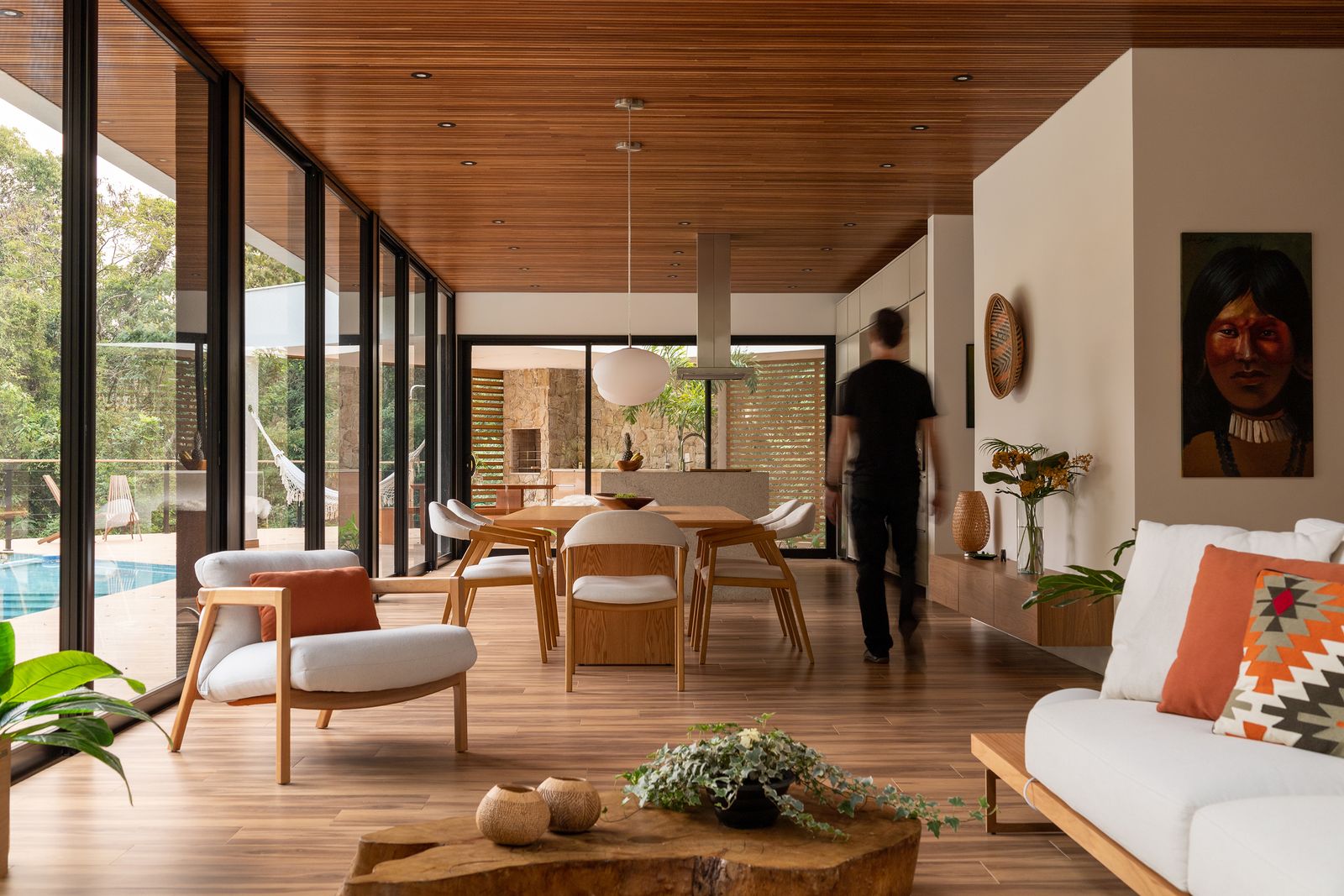
Materials such as wood, stone, and natural fibers create a connection to nature, which research shows reduces stress and promotes relaxation. Wooden furniture, stone countertops, and woven textiles bring warmth and texture into a space, fostering a sense of stability and comfort that complements recovery routines.

Textures and Sensory Comfort

Soft fabrics, plush rugs, and comfortable seating provide tactile comfort, which can have a calming effect on the nervous system. Thoughtful layering of textures in living rooms, bedrooms, or meditation corners encourages mindfulness, allowing individuals to engage fully with moments of reflection and healing.

Sustainable and Non-Toxic Materials

Using eco-friendly, low-VOC, or non-toxic materials supports both physical and emotional well-being. Cleaner air quality and sustainable design choices reinforce a sense of care and intention, aligning the physical environment with the principles of holistic and faith-based recovery.


Creating Meaningful Spaces

Reflection and Mindfulness Areas

Designating specific areas for meditation, prayer, journaling, or reading helps reinforce daily healing practices. Even a small corner with a comfortable chair, soft lighting, and calming décor can become a powerful tool for emotional balance and resilience.

Organization and Clarity

Purposeful organization reduces cognitive overload and fosters a sense of control. Open shelving, functional storage, and minimalistic arrangements create clarity in the home, which mirrors the focus and discipline cultivated in recovery programs.

Personalized Touches

Incorporating personal and faith-based elements—such as meaningful artwork, inspirational quotes, or family heirlooms—creates a sense of identity and emotional grounding. These touches remind individuals of their values, goals, and the support systems that bolster their journey.


Practical Steps to Integrate Mindful Materials and Meaningful Spaces

  • Introduce natural elements like wood, stone, or plants throughout key living areas.
  • Use soft textures, comfortable furnishings, and layered materials for sensory comfort.
  • Create small, dedicated areas for meditation, prayer, or journaling.
  • Simplify and organize spaces to reduce visual clutter and mental stress.
  • Add personal and faith-based décor that reinforces hope, resilience, and purpose.

Even small changes can transform a home into an environment that supports mental clarity, emotional balance, and holistic recovery.


Design That Nurtures Mind, Body, and Spirit

Mindful materials and meaningful spaces turn your home into a partner in recovery. By thoughtfully selecting natural, comfortable, and intentional design elements, you can create a sanctuary that fosters calm, clarity, and emotional resilience. At Julie Munn Design, we guide clients in translating treatment values into their living environments, ensuring every space nurtures mind, body, and spirit.

If you are ready to transform your home into a supportive, healing sanctuary, reach out today. Together, we can create spaces that enhance your mental health journey and reinforce your path to long-term recovery.
22 Dec

Recovery at Home: Simple Decor Changes That Foster Clarity, Calm, and Confidence

Healing from addiction and managing mental health challenges is a journey that extends beyond therapy sessions and treatment centers. The environment we live in profoundly impacts our emotions, routines, and overall recovery success. By making simple, intentional decor changes, your home can become a supportive sanctuary that promotes clarity, calm, and confidence. At Julie Munn Design, we specialize in creating homes that reflect holistic, faith-based, and individualized approaches to recovery, ensuring every space nurtures both emotional and spiritual well-being.


Why Home Environment Matters in Recovery

Our surroundings shape our moods, behaviors, and even thought patterns. A cluttered or chaotic home can increase anxiety, disrupt healthy routines, and trigger negative emotions. In contrast, a thoughtfully designed space encourages mindfulness, focus, and emotional stability. For individuals navigating outpatient or inpatient programs, translating the structure and serenity of treatment into your home can reinforce daily healing practices and create a sense of safety and support.


Key Decor Changes That Promote Clarity

Simplify and Organize

Clutter can mirror internal stress and make it difficult to maintain focus. Begin by decluttering common areas such as the living room, kitchen, or bedroom. Use open shelving, storage solutions, and minimalistic arrangements to reduce distractions and create visual calm. Organizing spaces not only makes them easier to navigate but also fosters a sense of control and confidence—key elements in recovery.

Calming Color Palettes

Colors significantly influence mood and emotional well-being. Soft blues, greens, and neutral tones promote relaxation and reduce anxiety. Incorporating subtle accent colors in warm shades can inspire optimism and hope. A cohesive color palette throughout your home reinforces continuity and supports a calming, structured environment for daily routines.


Light and Atmosphere for Emotional Balance

Maximize Natural Light

Exposure to sunlight enhances mood, regulates sleep patterns, and promotes mental clarity. Keep windows clear and use sheer curtains to allow light to flow into your home. Strategically arranging furniture to maximize natural light in key living spaces can help reinforce daily recovery habits, from meditation to journaling.

Soft, Layered Lighting

For evenings or areas with limited sunlight, incorporate layered lighting with table lamps, floor lamps, and wall fixtures. Soft, warm light creates a soothing atmosphere that encourages relaxation and restorative sleep, both crucial for maintaining emotional and physical health during recovery.


Purposeful Spaces for Healing

Creating dedicated areas for reflection, mindfulness, and faith-based practices strengthens recovery habits. A meditation corner, prayer nook, or journaling desk can serve as a daily reminder to pause, reflect, and engage with personal growth. Adding natural textures, indoor plants, and meaningful artwork reinforces grounding, emotional balance, and spiritual wellness.


Practical Steps to Transform Your Home

  • Start by decluttering and simplifying one area at a time.
  • Choose calming colors with subtle, uplifting accents.
  • Maximize natural light and supplement with soft, layered artificial lighting.
  • Designate spaces for mindfulness, prayer, or journaling.
  • Incorporate natural elements, textures, and meaningful décor to foster emotional and spiritual grounding.

Even small changes can dramatically enhance the atmosphere of your home, turning it into a sanctuary that reinforces clarity, calm, and confidence.


Your Home as a Partner in Recovery

Recovery at home is not just about maintaining routines—it is about creating an environment that actively supports emotional balance, mindfulness, and resilience. Thoughtful decor changes, intentional layouts, and holistic design choices empower individuals to carry healing practices from the treatment room into daily life. At Julie Munn Design, we help clients transform their homes into spaces that reflect their recovery journey, values, and faith.

If you are ready to create a home that nurtures clarity, calm, and confidence, reach out today. Together, we can design a space that supports your mind, body, and spirit every day.

14 Dec

Purposeful Interiors for Peace: How Thoughtful Design Reinforces Daily Healing Practices

The spaces we inhabit play a critical role in our mental and emotional well-being. For individuals navigating addiction recovery or managing mental health challenges, a home can be much more than a place to live—it can serve as a sanctuary that reinforces daily healing practices and nurtures resilience. Thoughtful, intentional interior design creates an environment that supports mindfulness, emotional balance, and holistic wellness. At Julie Munn Design, we specialize in crafting interiors that are compassionate, faith-based, and tailored to each client’s unique journey, helping homes become true partners in recovery.


How Intentional Design Supports Recovery

The environment around us shapes mood, behavior, and focus. A chaotic or cluttered home can increase stress and distract from daily healing routines. Conversely, a carefully designed space promotes calm, clarity, and emotional stability. For those transitioning from inpatient care or participating in outpatient programs, purposeful interiors can extend the benefits of treatment into everyday life, reinforcing routines and providing safe, supportive surroundings for growth.


Key Elements of Purposeful Interiors

H3: Simplify and Organize

Clutter often mirrors mental noise, making it difficult to focus or engage in healing practices. Begin by simplifying spaces and organizing essential items. Open surfaces, well-planned storage, and thoughtful layouts create a sense of calm and help maintain consistent routines such as meditation, journaling, or prayer. Even small organizational changes can dramatically improve emotional clarity and focus.

Choose Calming Colors

Colors influence mood and emotional regulation. Soft blues, greens, and neutrals promote relaxation and reduce anxiety, while carefully placed warm accents can inspire optimism and hope. A consistent color palette throughout the home enhances harmony and supports mindfulness, reinforcing the emotional balance critical to recovery.

Prioritize Light and Airflow

Natural light boosts mood, energy, and mental clarity. Keep windows clear and maximize sunlight during the day. Layer with soft, warm artificial lighting in the evenings to create a soothing environment that encourages restful sleep. Proper airflow and ventilation contribute to freshness and overall comfort, further supporting emotional and physical well-being.


Creating Intentional Spaces for Healing

Designing areas with specific purposes reinforces daily recovery practices.

Reflection and Mindfulness Nooks

A small corner for meditation, prayer, or journaling encourages consistent engagement with mindfulness practices. Comfortable seating, soft textures, and minimal distractions make these areas inviting and restorative.

Nature and Holistic Elements

Incorporating natural materials, indoor plants, and faith-based décor promotes grounding, spiritual connection, and emotional resilience. These elements nurture the mind, body, and spirit, aligning with the holistic approach to mental health and recovery offered by Julie Munn Design.


Practical Tips for Implementing Purposeful Interiors

  • Declutter and organize one area at a time to reduce overwhelm.
  • Use a calming color palette with subtle accent tones to inspire positivity.
  • Maximize natural light and layer with soft, warm lighting for evenings.
  • Create dedicated spaces for meditation, journaling, or prayer.
  • Introduce natural textures, plants, and meaningful décor elements to support mindfulness and grounding.

Even small, intentional adjustments can transform a home into a sanctuary that reinforces daily healing practices and emotional balance.


Transform Your Home into a Healing Sanctuary

Purposeful interior design is a powerful tool for supporting recovery and mental wellness. By simplifying spaces, selecting calming colors, optimizing light, and creating intentional areas for reflection, your home can nurture resilience, mindfulness, and emotional balance. At Julie Munn Design, we guide clients in creating interiors that reflect their values, faith, and recovery journey.

If you are ready to transform your home into a sanctuary that supports your daily healing practices and overall well-being, reach out today. Together, we can design a space that empowers your mind, body, and spirit every day.

6 Dec

From Treatment Room to Living Room: How to Carry Recovery Values into Your Home Decor

Recovery from addiction and mental health challenges extends beyond therapy sessions and clinical environments. The spaces we inhabit daily can reinforce the principles, routines, and emotional practices learned in treatment. By thoughtfully translating recovery values into home décor, individuals can create a living environment that nurtures emotional balance, supports mindfulness, and fosters resilience. At Julie Munn Design, we help clients craft homes that embody their healing journey, combining holistic, faith-based, and individualized approaches for lasting wellness.


The Power of Environment in Recovery

Our surroundings shape our emotions, behaviors, and stress levels. A home that mirrors recovery values can reinforce healthy habits and promote a sense of safety and purpose. For individuals transitioning from inpatient care or managing outpatient treatment, a mindful living environment provides continuity between therapy sessions and daily life.

When your home reflects recovery principles—clarity, structure, calm, and inspiration—it becomes a supportive partner in sustaining long-term mental and emotional wellness.


Translating Recovery Values into Design Principles

Simplicity and Organization

Clutter can create mental noise, disrupt routines, and increase stress. Simplifying and organizing spaces aligns with recovery values such as clarity, intentionality, and focus. Start with essential areas such as the living room, kitchen, or bedroom. Use storage solutions, open shelving, and minimalistic design to reduce distractions and create a sense of calm.

Mindful Color Choices

Colors impact mood and emotional regulation. Soft, neutral tones promote relaxation and reflection, while gentle greens and blues encourage calm and balance. Accent colors in warm tones can inspire optimism and hope, mirroring the positivity cultivated in recovery practices. A cohesive color palette throughout the home reinforces a sense of harmony and purpose.

Light and Atmosphere

Natural light elevates mood, supports healthy circadian rhythms, and encourages focus. Maximize sunlight by keeping windows clear and incorporating sheer curtains. Complement with warm, soft lighting for evenings to foster relaxation and restorative rest. Thoughtful lighting supports the structure and rhythm that recovery routines depend on.


Creating Purposeful and Healing Spaces

Designing areas that support specific recovery activities can further translate treatment values into daily life.

Meditation and Reflection Corners

Dedicated spaces for meditation, prayer, journaling, or reading reinforce mindfulness practices learned in treatment. Comfortable seating, soft textures, and minimal distractions create a nurturing environment that encourages consistent engagement with these practices.

Nature and Faith-Based Elements

Incorporating plants, natural textures, and meaningful faith-based décor promotes grounding, spiritual connection, and holistic wellness. These elements support both emotional and spiritual aspects of recovery, creating a home environment that reflects personal growth, hope, and resilience.


Practical Tips for Carrying Recovery Values into Your Home

  • Begin with decluttering and simplifying one room at a time.
  • Choose calming and cohesive colors throughout the home.
  • Maximize natural light and supplement with layered, soft lighting.
  • Create dedicated spaces for reflection, meditation, or journaling.
  • Incorporate natural and faith-based elements to inspire balance and grounding.
  • Use organizational tools to maintain structure and clarity.

Even small changes can make a profound impact, transforming your home into a living extension of your recovery journey.


Your Home as a Healing Partner

Bringing recovery values into your home décor is a powerful way to reinforce emotional balance, mindfulness, and resilience. By integrating simplicity, color, light, and purposeful spaces, your home can actively support your healing journey. At Julie Munn Design, we guide clients in crafting spaces that reflect their treatment values, faith, and holistic wellness goals.

If you are ready to transform your home into a sanctuary that nurtures recovery, mental health, and emotional growth, reach out today. Together, we can create a living environment that strengthens your journey every day.