24 Sep

Creating with Care: How Your Space Can Reflect and Support Mental Clarity
Healing is not only about medical treatment or therapy sessions. It is also about the environment you live in every day. The spaces we create can either bring comfort and clarity or add to feelings of stress and overwhelm. For individuals in recovery or navigating mental health challenges, a supportive home environment can make a powerful difference. At Julie Munn Design, we believe that thoughtful, faith-based, and holistic design helps people build lives rooted in peace and clarity.


The Connection Between Space and Mental Health

Your surroundings shape your mindset more than you may realize. A cluttered, chaotic environment often mirrors the inner turmoil many feel while coping with addiction or stress. On the other hand, a calm, organized space creates room for clear thinking, emotional stability, and even spiritual growth. When design is intentional, it supports healing in the same way that therapy, community, and faith can.


Decluttering as a Path to Clarity

Simplify to Strengthen Recovery

Decluttering is not just about cleaning. It is a form of self-care. Removing items that no longer serve you creates both physical and mental space to focus on what truly matters. This practice reduces overstimulation, eases anxiety, and provides a sense of accomplishment. For those in recovery, each act of simplification can be a small but meaningful step toward freedom.


Color and Light as Healing Tools

Choosing Colors that Calm

Colors affect mood on a deep level. Soft blues, gentle greens, and warm neutrals are proven to promote relaxation and balance. These tones remind the mind to slow down and breathe, making them ideal for bedrooms, living areas, or meditation spaces.

The Role of Natural Light

Natural light not only brightens a room but also regulates the body’s rhythms and enhances emotional well-being. Thoughtful use of lighting, such as open windows during the day and warm lamps in the evening, can improve sleep, reduce depression, and foster a sense of hopefulness.


Creating Spaces with Purpose

Every home benefits from intentional spaces dedicated to wellness. This could be a quiet corner with a comfortable chair for prayer, a small table for journaling, or a soft rug where you practice mindfulness or meditation. These areas act as daily reminders to slow down, reflect, and realign with your recovery journey.


Integrating Faith and Holistic Design

Healing is not just physical. It is emotional, spiritual, and mental. Homes that include faith-based design elements, such as scripture artwork or calming natural materials, help create a daily connection to hope and encouragement. Combined with holistic touches like biophilic design, gentle textures, and natural scents, your space becomes a place where clarity and healing naturally flow together.


Practical Steps to Bring Mental Clarity Into Your Space

  • Begin each week by tidying one small area to reduce clutter.
  • Choose a calming color palette that stays consistent throughout your home.
  • Let in as much natural light as possible during the day.
  • Designate a personal corner or space for prayer, meditation, or reflection.
  • Incorporate elements of nature, such as plants, wood, or water features, to restore balance.

A Home That Supports Your Healing

Your home should be more than a place to live. It should be a partner in your healing journey. By creating with care, you design an environment that reflects peace, strengthens clarity, and supports long-term recovery. At Julie Munn Design, we help individuals and families build homes that align with their healing goals and faith-based values.

If you are ready to create a space that nurtures your mind and spirit, we invite you to reach out today. Together, we can design a home that reflects your strength, hope, and commitment to living well.
15 Sep

The Zen of Home: How Mindful Design Cultivates Everyday Calm

Finding peace in today’s fast-paced world can feel impossible, especially for those navigating the challenges of addiction recovery or mental health struggles. Yet the spaces we live in have a powerful influence on our emotional balance and overall well-being. The concept of mindful design goes beyond decorating. It is about creating environments that reduce stress, nurture the spirit, and support the healing journey. At Julie Munn Design, we believe a thoughtfully designed home can become a sanctuary that cultivates calm and strengthens resilience every day.


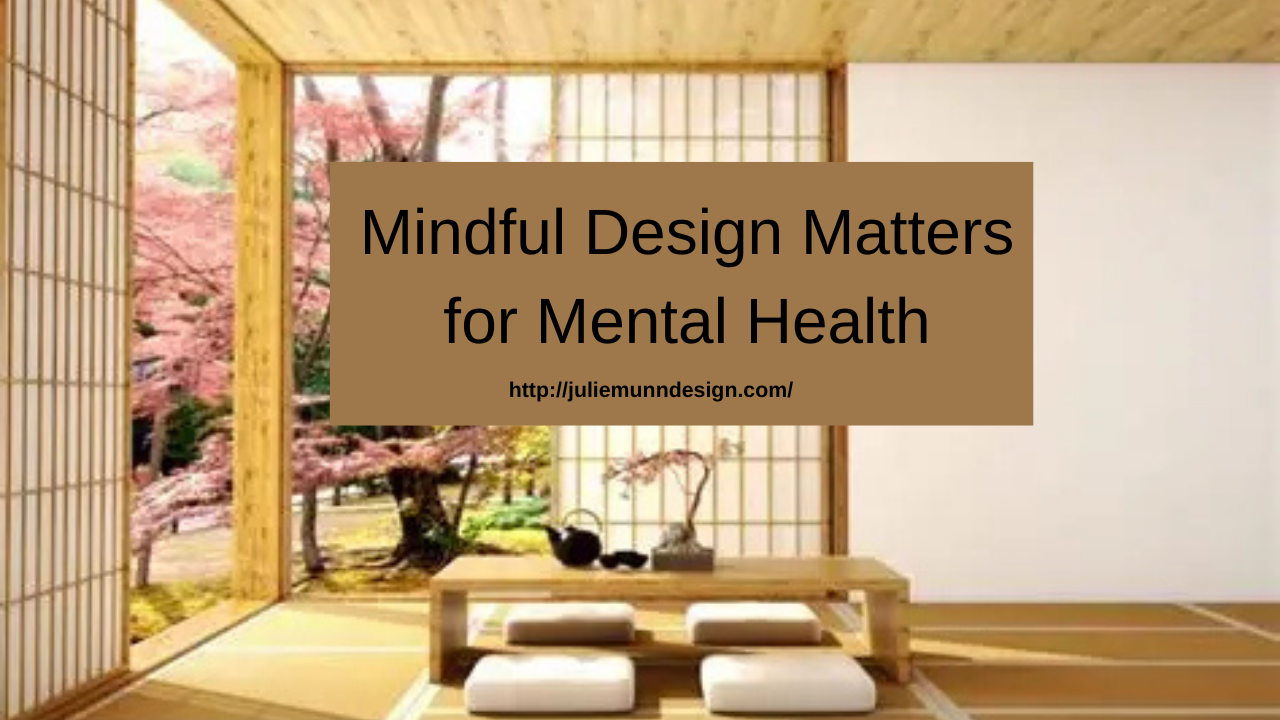
Why Mindful Design Matters for Mental Health

Recovery is not only about what happens in therapy sessions or treatment programs. It extends into daily life, shaping how individuals rest, recharge, and stay grounded. A chaotic or cluttered home can fuel anxiety and restlessness, while a calm, intentional environment encourages focus, self-care, and emotional stability. Mindful design ensures that the home becomes a partner in healing, not a barrier.


Key Elements of Mindful Home Design

Decluttering for Clarity

A cluttered space often mirrors a cluttered mind. By reducing excess belongings and organizing essentials, you create a sense of order that supports emotional clarity. Decluttering allows space for peace to enter, making recovery practices such as meditation, prayer, or journaling easier to maintain.

Colors That Calm the Spirit

Color psychology plays a vital role in emotional well-being. Soft hues like pale blue, sage green, and warm neutrals promote relaxation and calm. These tones are particularly helpful in spaces meant for rest or reflection. Choosing a color palette with intention helps set the emotional tone of your home and encourages tranquility throughout the day.

Lighting That Nurtures Balance

Light influences mood more than most realize. Natural light boosts energy and supports healthy sleep cycles, while warm ambient lighting fosters relaxation during evening hours. Thoughtful lighting design helps regulate daily rhythms, creating an environment where balance and calm naturally emerge.

Spaces with Purpose

Mindful design encourages creating spaces that support healing rituals. Whether it is a quiet corner for prayer, a meditation cushion near a window, or a journal-friendly desk, purposeful areas encourage daily practices that strengthen mental wellness. Even small spaces can become meaningful sanctuaries with thoughtful design choices.


Integrating Faith and Holistic Healing

At Julie Munn Design, we recognize the role of faith in the healing process. Homes designed with spiritual reminders, scripture art, or natural materials inspired by creation can provide daily encouragement. Combined with holistic principles like biophilic design, soothing textures, and calming scents, the home becomes a holistic wellness tool that nurtures mind, body, and soul. This integration reflects the faith-based and individualized approach we bring to addiction recovery and mental health care.


Practical Steps to Bring Zen Into Your Home

  • Begin by simplifying and removing items that no longer serve your peace.
  • Introduce natural elements such as plants, wood, or stone for grounding.
  • Choose a color scheme that encourages calm and consistency across rooms.
  • Create one dedicated area for mindfulness, prayer, or reflection.
  • Use soft lighting and calming scents to signal moments of rest and renewal.

These intentional choices help transform the home from a place of stress into a sanctuary of stillness.


Designing Calm, Living Peace

The journey from stress to stillness begins with small, mindful decisions about your living space. Thoughtful design is not about luxury or perfection. It is about creating an environment that supports your healing and invites peace into your everyday life. At Julie Munn Design, we help individuals and families craft homes that reflect hope, balance, and strength.

If you are ready to transform your home into a haven that nurtures your recovery and emotional well-being, we invite you to reach out. Together, we can design a space where calm is not just an idea but a daily reality.

3 Sep

From Stress to Stillness: How Thoughtful Decor Boosts Emotional Balance

The spaces we live in do more than house us. They shape our moods, influence our routines, and play a significant role in how we heal. For individuals walking the path of addiction recovery or managing mental health challenges, the home environment can either contribute to stress or support stillness. At Julie Munn Design, we believe thoughtful decor is more than aesthetics. It is a tool for emotional balance, spiritual renewal, and holistic healing.

Why Interior Design Matters for Recovery

Addiction recovery and mental health treatment involve more than clinical care. They require safe, supportive spaces where individuals can reset and rebuild. A cluttered or chaotic home may trigger anxiety, while a calm and intentional environment fosters peace and resilience. Just as inpatient and outpatient programs provide structure, home design can extend those same principles into daily life, reinforcing healing long after treatment sessions end.

Core Elements of Thoughtful Decor

Decluttering to Create Mental Clarity

Excess belongings often mirror emotional weight. When spaces are disorganized, the mind feels scattered. Thoughtful decor begins with simplifying. Remove unnecessary items, organize essentials, and prioritize open space. Decluttered environments help reduce anxiety and promote focus, supporting the mental clarity so vital in recovery.

Choosing Colors That Calm

Colors influence how we feel on a subconscious level. Soft greens promote renewal, blues foster tranquility, and neutrals create a sense of grounding. Rooms painted or decorated in these tones encourage reflection and calm. Avoid overly intense colors in areas designed for rest or prayer, as they may stimulate rather than soothe.

Light That Heals

Lighting sets the tone for emotional balance. Natural light regulates circadian rhythms and boosts mood, while warm lamps or candles create comfort during evening hours. Thoughtful use of light, both natural and artificial, helps align daily rhythms with recovery goals, supporting both body and mind.

Spaces with Purpose

Creating designated areas for prayer, journaling, or meditation helps establish healing rituals. A quiet reading nook, a comfortable chair for reflection, or a small corner dedicated to gratitude can encourage stillness. Purposeful spaces anchor routines, making it easier to practice mindfulness and spiritual growth each day.

Integrating Faith-Based and Holistic Principles

Faith and holistic care go hand in hand with emotional balance. Thoughtful decor can include scripture artwork, inspirational symbols, or natural materials that reflect God’s creation. By combining spiritual reminders with holistic design elements like plants, textures, and soothing scents, homes become sanctuaries that nurture both soul and body. This alignment mirrors the individualized, faith-based approach found in Julie Munn Design’s recovery philosophy.

Practical Tips to Transform Stress into Stillness

  • Keep main living areas clutter-free to encourage focus and calm.
  • Introduce natural elements like plants, wood, or stone for grounding.
  • Use layered lighting for flexibility between active and restful times.
  • Place calming scents like lavender or chamomile in bedrooms or prayer spaces.
  • Display personal items or artwork that inspire hope and gratitude.

These simple changes carry profound effects on mental well-being. They transform stress-inducing spaces into calming retreats that actively support recovery.


Designing Your Path to Peace

Moving from stress to stillness is not an overnight process. It is a series of intentional choices that align with your recovery journey. Thoughtful decor offers more than visual beauty. It provides stability, comfort, and emotional balance when you need it most. At Julie Munn Design, we honor each client’s unique story and help create homes that reflect healing and hope.

If you are ready to transform your space into a sanctuary that supports your recovery, reach out today. Together, we can design an environment that fosters peace, nurtures your spirit, and strengthens your path forward.