26 Aug

Calm by Design: Interior Decorating Strategies for a Peaceful Mind
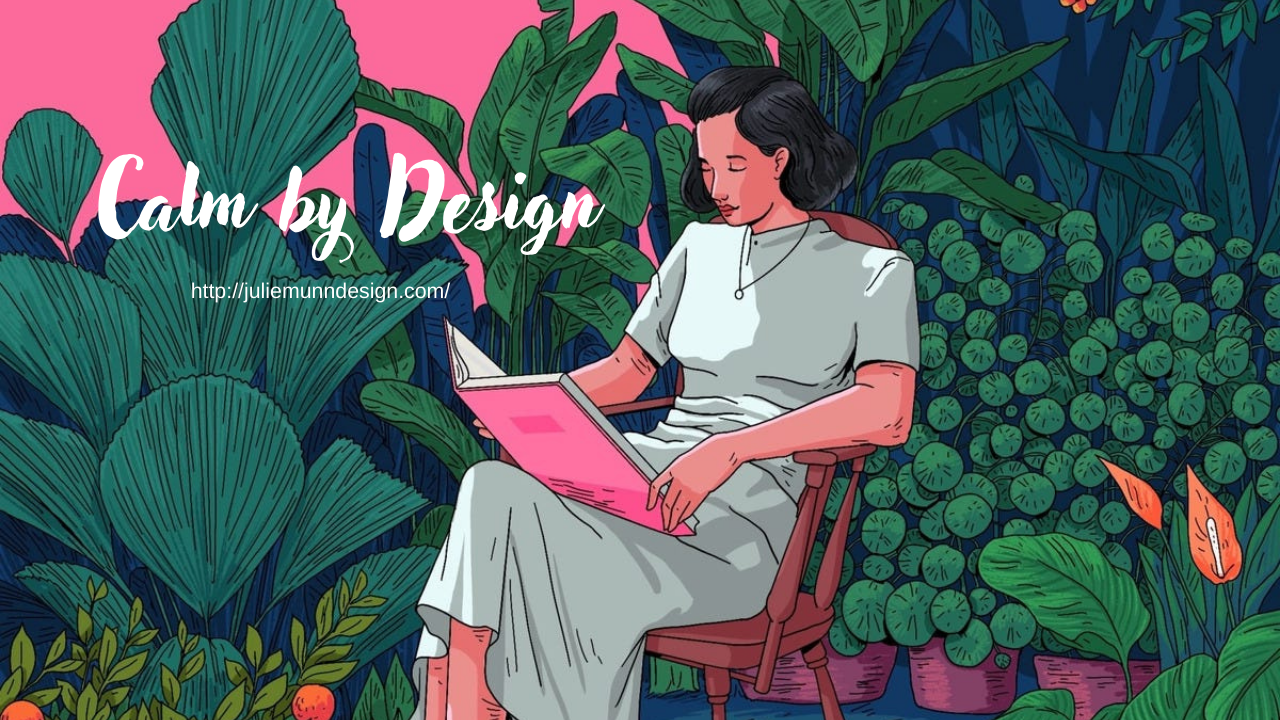
Our homes are more than living spaces—they are environments that shape how we think, feel, and recover. For individuals on the journey of addiction recovery or facing mental health challenges, the atmosphere of a home can either support wellness or contribute to stress. At Julie Munn Design, we understand that thoughtful interior decorating is a powerful tool for emotional balance. Through holistic, faith-based, and individualized approaches, a carefully designed home can foster calm, focus, and peace of mind.

Why Your Home Impacts Mental Health

Recovery is a holistic process that extends beyond therapy sessions. Studies show that the spaces we inhabit influence our stress levels, mood, and ability to maintain healthy routines. A cluttered or chaotic environment can increase anxiety and disrupt emotional stability. Conversely, a space that reflects order, warmth, and intentionality promotes clarity and serenity. By integrating design strategies aligned with mental wellness principles, your home becomes a supportive partner in recovery.

Principles of Calm Interior Design

Clear Clutter, Create Clarity

Clutter can overwhelm the senses and increase mental fatigue. Begin by simplifying your environment. Remove items that no longer serve a purpose or bring joy. Use hidden storage, minimalist furniture, and organized layouts to create open pathways. A home free from unnecessary clutter allows your mind to relax and focus on what truly matters.

Light and Nature: Healing Elements

Natural light and biophilic elements play a vital role in emotional well-being. Keep windows clear to maximize sunlight and consider sheer curtains to diffuse harsh light. Introduce indoor plants to bring life, color, and improved air quality into your home. Wood, stone, and natural fabrics create warmth and a grounded atmosphere that complements holistic recovery approaches.

Calming Color Palettes

Color directly affects mood. Soft blues, gentle greens, and warm neutrals promote tranquility and mental clarity. Avoid overly bright or high-contrast colors in spaces dedicated to rest or reflection. Instead, focus on cohesive palettes that create a sense of continuity and ease throughout your home.

Design Purposeful Spaces

Every area in your home can serve a specific function to support recovery. Create zones for rest, meditation, journaling, or prayer. A cozy reading nook, a quiet corner for reflection, or a soft, inviting bedroom can reinforce healthy routines. Thoughtful spatial arrangements encourage mindfulness and provide consistent reminders to nurture your mental health.

Integrating Faith-Based and Holistic Principles

Faith can be a guiding light in the recovery process. Incorporate subtle spiritual elements, such as inspirational artwork, prayer journals, or meaningful symbols. Pair these with holistic features like natural textures, soft lighting, and comfortable furnishings to create spaces that nurture both mind and spirit. These design choices help bridge treatment principles from inpatient or outpatient care into the home environment.

Practical Decorating Tips for a Peaceful Mind

  • Choose soft, tactile fabrics for comfort and grounding
  • Layer lighting with lamps, dimmers, and natural light
  • Introduce greenery to improve mood and air quality
  • Maintain open pathways to reduce stress and increase movement
  • Curate personal and meaningful items that inspire hope and reflection

These simple yet intentional adjustments create a home that feels safe, supportive, and restorative.


Transform Your Home, Support Your Recovery

A peaceful home is more than aesthetics; it is a space that actively supports your mental and emotional well-being. Through calm design principles, intentional layouts, and faith-based elements, your living environment can reinforce the work you are doing in recovery. At Julie Munn Design, we combine professional expertise with compassionate, individualized care to help you create a home that heals.

Take the next step today. Reach out to explore how interior design can transform your home into a sanctuary for recovery, reflection, and lasting peace of mind.


15 Aug

Decorating for the Soul: How to Make Your Home a Mental Wellness Haven

Your home has the power to heal. When you are navigating addiction recovery or mental health challenges, creating a space that nurtures and supports brings more than comfort—it provides a foundation for growth. At the heart of recovery is not just treatment but renewal, and your surroundings can play an essential role in that journey. In this article, we explore how to consciously design your home as a mental wellness haven, reflecting holistic, faith-based, and tailored principles that resonate deeply with your path.

The Home as a Healing Partner

Designing your environment isn’t about following trends—it is about creating emotionally supportive spaces that serve your unique needs. Whether you are receiving inpatient or outpatient care, embracing a holistic or faith-driven approach, your home can extend the healing work happening through therapy, spirituality, and community. A space designed for well-being supports your intentions, mental health, and ongoing journey toward freedom.

Core Principles of a Mental Wellness Sanctuary

Clarity Through Intention, Not Clutter

Recovery is often about letting go of what no longer serves us. Your space can reflect that clarity. Begin by letting go of excess clutter—keep only what brings you purpose, comfort, or meaning. Consider airy layouts, concealed storage, or organizing systems that make care, maintenance, and peaceful living easier. When physical surroundings feel intentional and streamlined, your mind has room to breathe.

Natural Light and Gentle Materials

Light has a healing virtue. Keep windows unobstructed to welcome daylight and warmth. Soothing fabrics—like cotton, linen, or natural wool—invite grounding comfort and sensory ease. These materials also echo the connection to creation, supporting holistic and faith-based recovery by gently aligning your space with nature’s rhythm.

Calming Colors Aligned with Healing

Certain colors naturally nourish emotional health. Soft greens suggest renewal, warm neutrals create a sense of calm, and gentle blues evoke tranquility. Use these tones thoughtfully—on walls, textiles, or decor. Avoid overly bright or jarring colors in areas made for reflection or rest. Instead, allow soft shades to gently wrap you in peace.

Purposeful Spaces for Rest and Reflection

Recovery is more than a process—it is a sacred journey. Your home can hold spaces that reflect that. Consider a cozy prayer corner with devotional books, soft lighting, and a comfortable chair. A journaling nook can encourage introspection and growth. By intentionally carving out these restorative spaces, you reinforce spiritual and mental habits formed in treatment settings.

Blending Treatment with Your Personal Space

Whether you are receiving inpatient or outpatient care, or following a holistic, faith-based treatment plan, your home decor can reinforce therapeutic goals. Integrate uplifting artwork, scriptures, or symbols of hope that reflect personal beliefs. Include comfortable seating designed for reflection, family time, or spiritual rituals—all reinforcing the individualized nature of healing.

Practical Design Insights for Mindful Living

Here are simple yet meaningful ideas to bring your healing space to life:

  • Select soft, tactile furnishings like comfy cushions, rugs, or throws for warmth and sensory comfort.
  • Use lamps with warm bulbs or soft-glow lighting to ease evening routines.
  • Include houseplants to improve air quality and symbolically represent new growth.
  • Keep major pathways clear to support movement and mental ease.
  • Display objects—photos, keepsakes, spiritual symbols—that remind you of where you come from and where you’re headed.

These thoughtful details reinforce that design is more than aesthetics—it is healing.


Your Home as a Sanctuary of Hope

You are not simply furnishing a house. You are nurturing a home for healing. Every choice—colors, light, texture, layout—can bolster your recovery, faith, and mental wellness. At [Your Practice], we deeply honor your journey and understand how powerful a supportive space can be.

Take a caring step today. Let your home reflect your courage, hope, and growing strength. Reach out to begin creating a sanctuary that mirrors the healing you are pursuing.

6 Aug

Home as Healing: The Art of Creating Emotionally Supportive Spaces

Your home can be more than just a roof overhead—it can become a place of healing, peace, and renewal. For individuals in recovery from addiction or facing mental health challenges, a thoughtfully designed space supports emotional balance and spiritual growth. At Julie Munn Design, we understand how environment shapes recovery. With compassionate, faith‑based, individualized care—including both inpatient and outpatient options—we partner with our clients to create homes that heal.

Why Your Environment Matters in Recovery

Recovery is not just about treatment—it is about transformation. After detox and therapy, many individuals return to homes that are cluttered, chaotic, or uninspiring. That dissonance can undermine progress. Research shows that supportive, well‑organized spaces reduce anxiety, improve focus, and foster resilience. A home designed with care becomes a stable foundation on which recovery can thrive.

Principles of Emotionally Supportive Spaces

1. Clear Clutter, Boost Clarity

Clutter adds emotional weight. Clearing physical space—while honoring past struggle—can help clear mental space. Use simplified layouts, hidden storage, and gentle routines to maintain calm. These changes mirror the compassionate structure clients encounter in both inpatient and outpatient settings.

2. Use Natural Light and Warm Materials

Natural light and organic materials—wood flooring, linen textiles, soft wool rugs—create a welcoming, grounded environment. These elements foster connection with God’s creation and support holistic, faith‑based healing.

3. Incorporate Calming Color Palettes

Soft neutrals, calming blues and greens, and warm earth tones invite peace. Such palettes align with therapeutic settings and promote mindfulness. Avoid harsh contrasts or overly bright accents in spaces meant for rest and reflection.

4. Design Purposeful Recovery Zones

Create specific zones for rest, reflection, and restoration. A prayer corner with a comfortable chair and gentle lighting. A creative space for journaling or art therapy. A cozy nook for reading recovery literature or participating in outpatient support sessions.

Integrating Treatment with Space

Julie Munn Design aligns decor with your unique recovery plan. Whether inpatient or outpatient, faith‑based or holistic, our designs respect the journey you’re on. In group living environments or family homes, we emphasize privacy, accessible common areas, and spaces that reinforce healthy routines. These design choices support integrated treatment models by balancing structure and serenity.

Beyond Aesthetics—Cultivating Spiritual Support

Faith is at the heart of holistic recovery. Home environments that include sacred reminders—like scripture art, prayer journals, or meaningful décor—can enhance spiritual well‑being. These touches invite peace and connection to God, complementing individual therapy, group support, and aftercare planning.

Practical Design Tips for Healing Homes

  • Choose durable, soft‑to‑touch furniture for comfort and safety
  • Use dimmable lighting or candles in evening routines
  • Add houseplants to improve air quality and symbolize growth
  • Keep pathways clear to support physical freedom and reduce overwhelm
  • Select art or décor tied to positive memories or spiritual hope

These thoughtful details transform a house into a sanctuary.


Conclusion: Take the Next Step Toward a Healing Home

Your home can be a powerful ally in recovery. With clarity of design, intentional structure, and faith‑driven care, your living space can reflect the hope and progress you are building. At Julie Munn Design, we combine professional expertise with compassion to create emotionally supportive spaces tailored to each individual’s recovery journey.

Take a confident step today toward creating your healing home. Reach out to us to explore how design can support your recovery and mental health. Let your environment be as transformative as the path you walk.