23 Jul

Designing with Intention: How Mindful Décor Can Improve Your Mental Health
In our busy, overstimulated lives, our homes should be more than just places to eat and sleep—they should be spaces that support our mental and emotional well-being. This is where mindful décor comes into play. Unlike trend-driven decorating, mindful decorating focuses on intentional choices that create calm, comfort, and clarity. By aligning your interior design with your emotional needs, you can transform your home into a place of healing and renewal.

What Is Mindful Décor?

Mindful décor is the practice of designing your space with awareness, purpose, and care. Every item, color, and layout decision is made with your emotional and mental health in mind. The goal isn’t perfection—it’s connection. When your surroundings reflect peace and simplicity, your mind naturally begins to mirror that balance.

Declutter Your Space, Clear Your Mind

Clutter is one of the biggest contributors to stress in the home. It overwhelms the senses, distracts the mind, and can even lead to feelings of anxiety or guilt. Mindful decorating begins with simplifying. Remove items that no longer serve you or bring joy. Prioritize storage solutions that hide visual noise and keep surfaces clean. A more open and organized space encourages mental clarity and reduces stress.

Choose Colors That Calm

Color plays a powerful role in shaping our emotions. Cool tones like soft blues, sage greens, and muted greys promote tranquility and restfulness. Earthy tones like beige, taupe, and soft terracotta bring warmth and grounding. Avoid overly bright or intense colors in spaces meant for rest, such as bedrooms or living rooms, as they can overstimulate the mind. Instead, focus on creating a palette that feels gentle, comforting, and harmonious.

Let Nature In

Natural elements are a cornerstone of mindful decorating. Houseplants, wooden textures, stone finishes, and sunlight all help reconnect us to the natural world. This connection has proven benefits, including lower stress levels, improved mood, and enhanced focus. Even small touches—like a potted plant on a desk or a woven basket for storage—can make a big difference in creating a calming environment.

Create Spaces with Purpose

Every room should support your lifestyle and emotional needs. Mindful décor means designing with your routines and intentions in mind. Need a space to unwind after work? Create a cozy reading nook with soft lighting and a favorite blanket. Want to foster creativity? Keep your workspace clean, open, and inspiring. When your home aligns with how you want to feel, it becomes a powerful tool for mental well-being.

Add Meaningful Touches

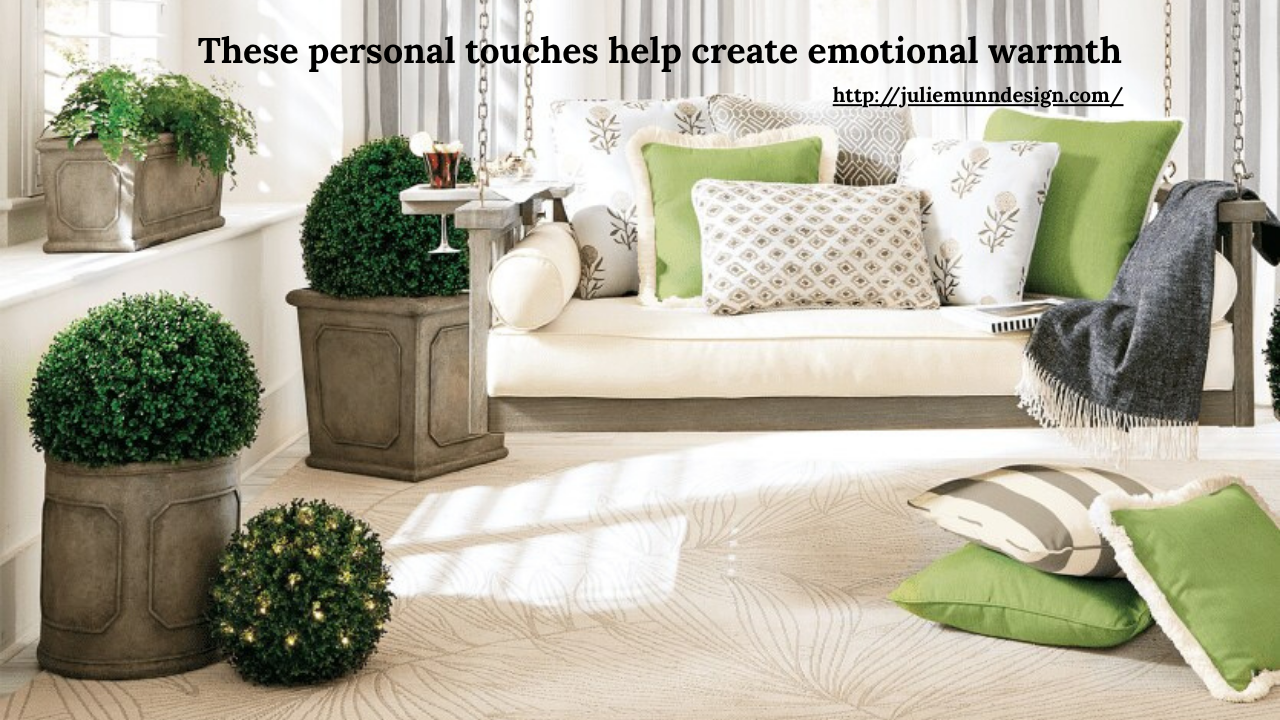
Lastly, surround yourself with items that carry personal meaning—photographs, heirlooms, or artwork that brings you joy. These personal touches help create emotional warmth and remind you of your values and journey. But be selective: mindful decorating is about quality, not quantity.


When you design with intention, your home becomes more than a shelter—it becomes a space that supports, heals, and uplifts you every day. Through mindful décor, you invite peace of mind into every corner of your life.

8 Jul

Aromas, Textures, and Light: How Sensory Design Can Enhance Your Peace of Mind

Interior design isn’t just about how a space looks—it’s about how it feels. Our senses are powerful gateways to emotion, memory, and mood, and when thoughtfully considered in home design, they can greatly enhance our mental and emotional well-being. Sensory design—the art of engaging the senses through sight, smell, touch, and more—offers a holistic way to create a calming, peaceful environment. By incorporating comforting aromas, soothing textures, and mindful lighting, you can turn your home into a space that nurtures peace of mind.

The Power of Scent: Calming Aromas for the Home

Scent is directly linked to the brain’s limbic system, which controls emotions and memory. This makes fragrance a powerful tool for creating an atmosphere of calm. Certain aromas are known for their stress-reducing properties:

  • Lavender: Reduces anxiety and promotes better sleep
  • Eucalyptus: Clears the mind and improves focus
  • Chamomile: Calms the nerves and lowers tension
  • Citrus (like lemon or orange): Uplifts the mood and energizes

Essential oil diffusers, incense, and naturally scented candles are all effective ways to infuse your space with peaceful aromas. Placing calming scents in areas like the bedroom, bathroom, or meditation corner can make these spaces even more restorative.

Textures That Comfort and Ground

Touch is another deeply emotional sense that’s often overlooked in design. The textures you choose in your home can either stimulate or soothe the nervous system. For maximum comfort, incorporate soft, tactile materials:

  • Plush blankets, rugs, and cushions offer a sense of warmth and safety
  • Natural materials like cotton, wool, rattan, and wood provide organic comfort and connection to nature
  • Layering textures—like a linen duvet over a soft knit throw—adds depth and coziness to a room

Avoid harsh, cold, or overly slick materials in spaces meant for rest and relaxation. Instead, choose fabrics and surfaces that invite you to sit, rest, and feel grounded.

Lighting: Creating a Mood with Illumination

Lighting shapes not just what we see but how we feel. Natural light has been proven to boost mood and regulate circadian rhythms. To bring more light into your home:

  • Keep windows clean and use sheer curtains to diffuse sunlight
  • Arrange furniture to take advantage of daylight
  • Use mirrors to reflect and multiply natural light

At night, harsh lighting can disrupt relaxation. Opt for warm, soft lighting using table lamps, floor lamps, or dimmable lights. Salt lamps and candles also create a soothing glow that invites calm and stillness.

A Sensory Space for the Soul

Combining aroma, texture, and light helps you craft a fully immersive environment that supports your mental health. Whether you’re unwinding after a long day or seeking a moment of stillness, a sensory-rich space can help ease stress and create emotional balance.


By engaging the senses, sensory design transforms a home into more than just a physical space—it becomes a sanctuary for the soul. With just a few thoughtful touches, you can create an environment that speaks to your senses and supports your inner peace.